Office Building Cleanup
Office Cleanup Planning. Plan office sewage cleanup around tenant access, building operations, facilities records, and requirements that apply to…
See what cleanup involves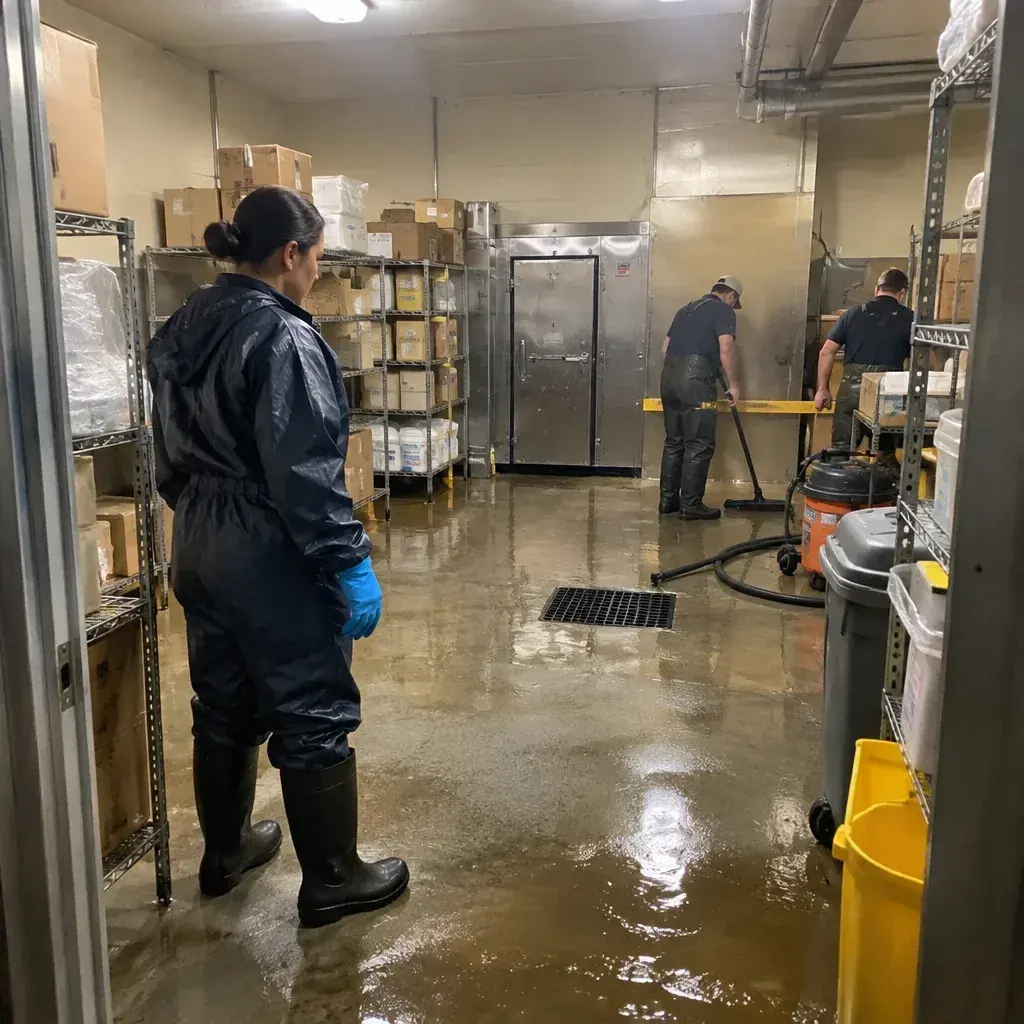
First, note which locations on the site have dedicated pages; requests from other covered areas go through the same referral connection. Then tell the pros we connect you with what your business needs from a visit: when the affected space can be accessed, how soon someone can attend, whether a visit charge applies, and what scheduling options are available. Ask directly about each point before arranging service. This gives you a practical basis for deciding how the work fits around your operating hours and who should coordinate access.
Next, work out how the backup affects the way your business functions. Affected areas may include customer routes, workstations, storage, or equipment zones, and a closure in one place can shift tasks into another. Decide which activities must pause and which can continue in a different part of the building. Note which tasks rely on affected equipment so the work plan can change as conditions shift. This priority map helps you coordinate access and limit disruption while the affected areas are assessed.
For each address, assign one person to coordinate entry, updates, and records so details from separate properties do not get mixed together. Keep dated photos, notes on affected materials, and the cleanup provider’s work records with the file for that location. These details can help you explain the damage during an insurance claim; the policy determines what is covered. If you oversee several sites, use the same record categories at each one so you can compare interruptions, track open questions, and follow up without relying on memory.
Start by listing which spaces at each property are affected and what business activity relies on them. Also note any odors, residue, or dampness that may help show how far the damage has spread. Keep notes on the damage and cleanup work for insurance discussions; your policy determines coverage. The site has dedicated pages for some locations; in other covered areas, you connect with the pros through the same referral.
Office Cleanup Planning. Plan office sewage cleanup around tenant access, building operations, facilities records, and requirements that apply to…
See what cleanup involves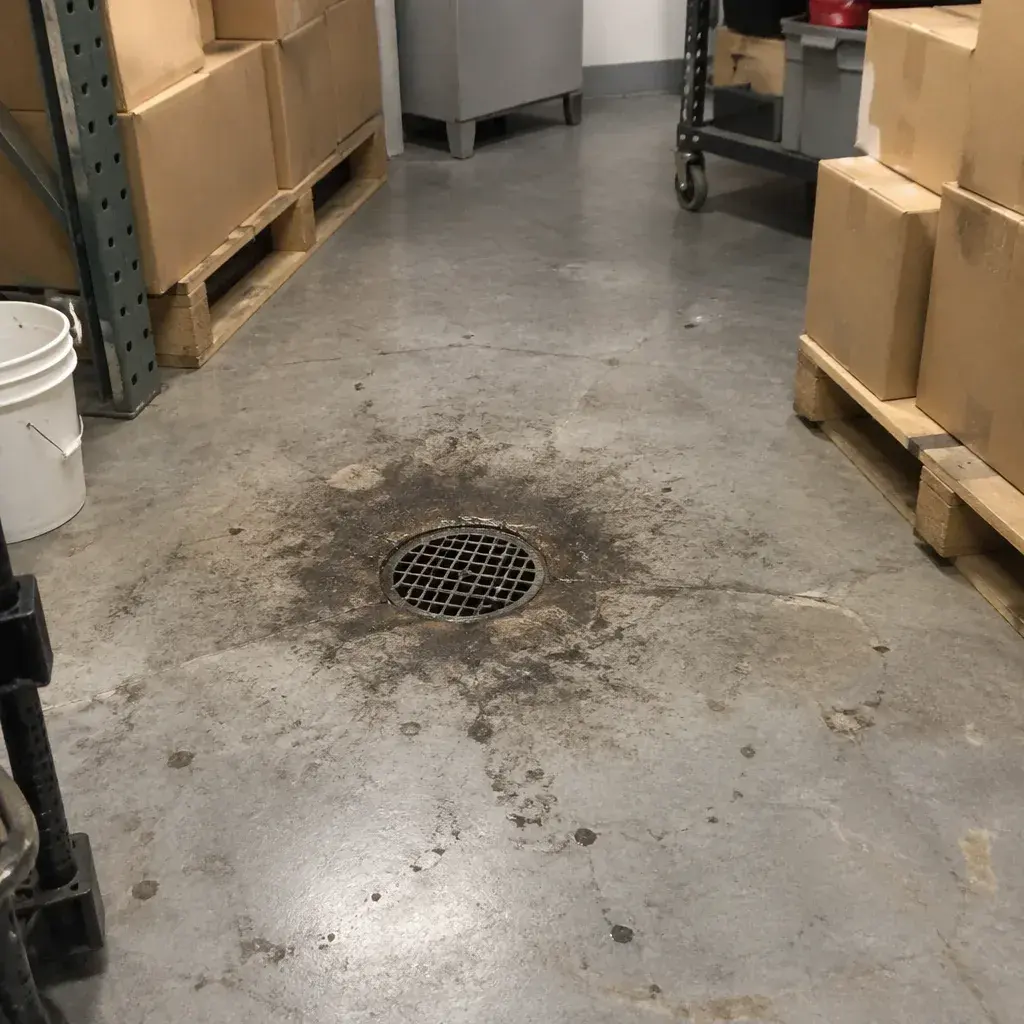
Retail Response Planning. Plan retail sewage cleanup around separated work areas, merchandise assessment, lease duties, and records that support…
See what cleanup involves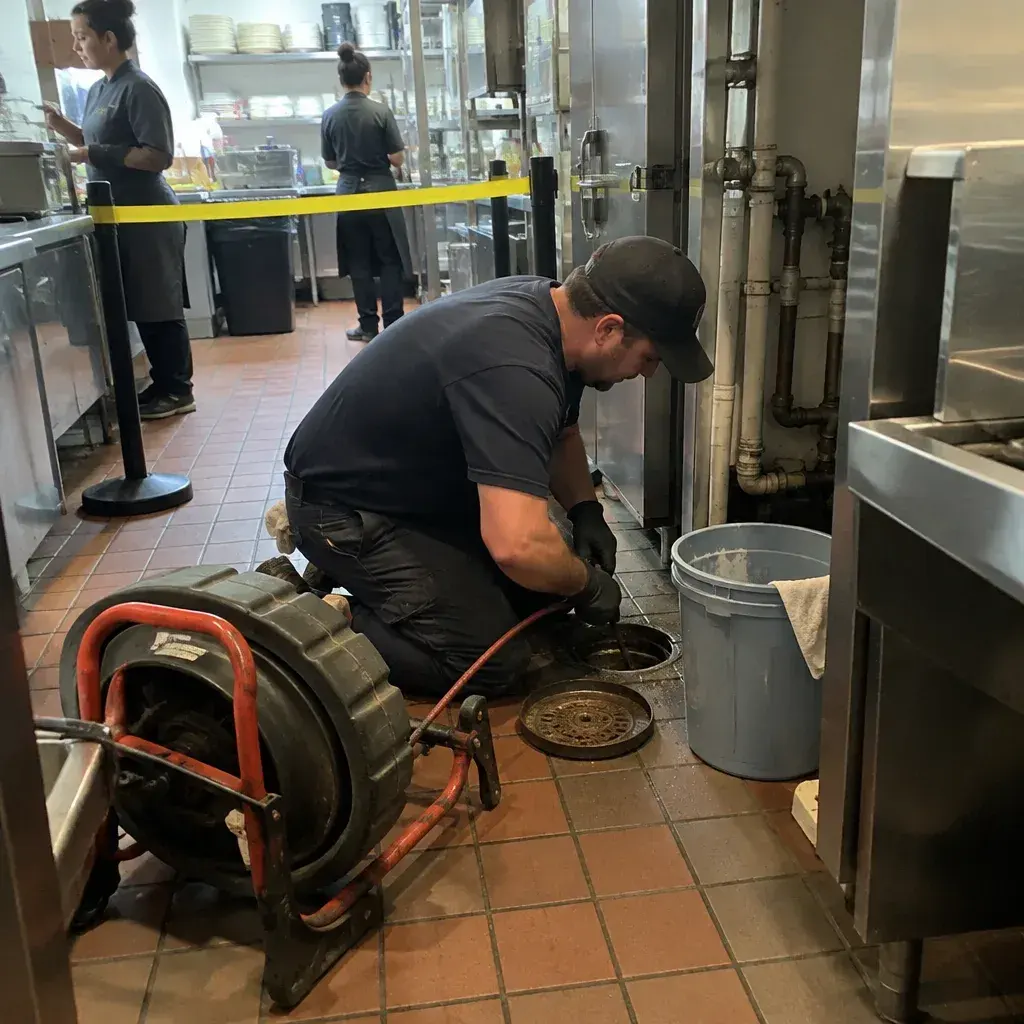
Multi-Site Kitchen Scope. The licensed pros we connect you with can discuss sewage cleanup options and explain how the referral works.
See what cleanup involves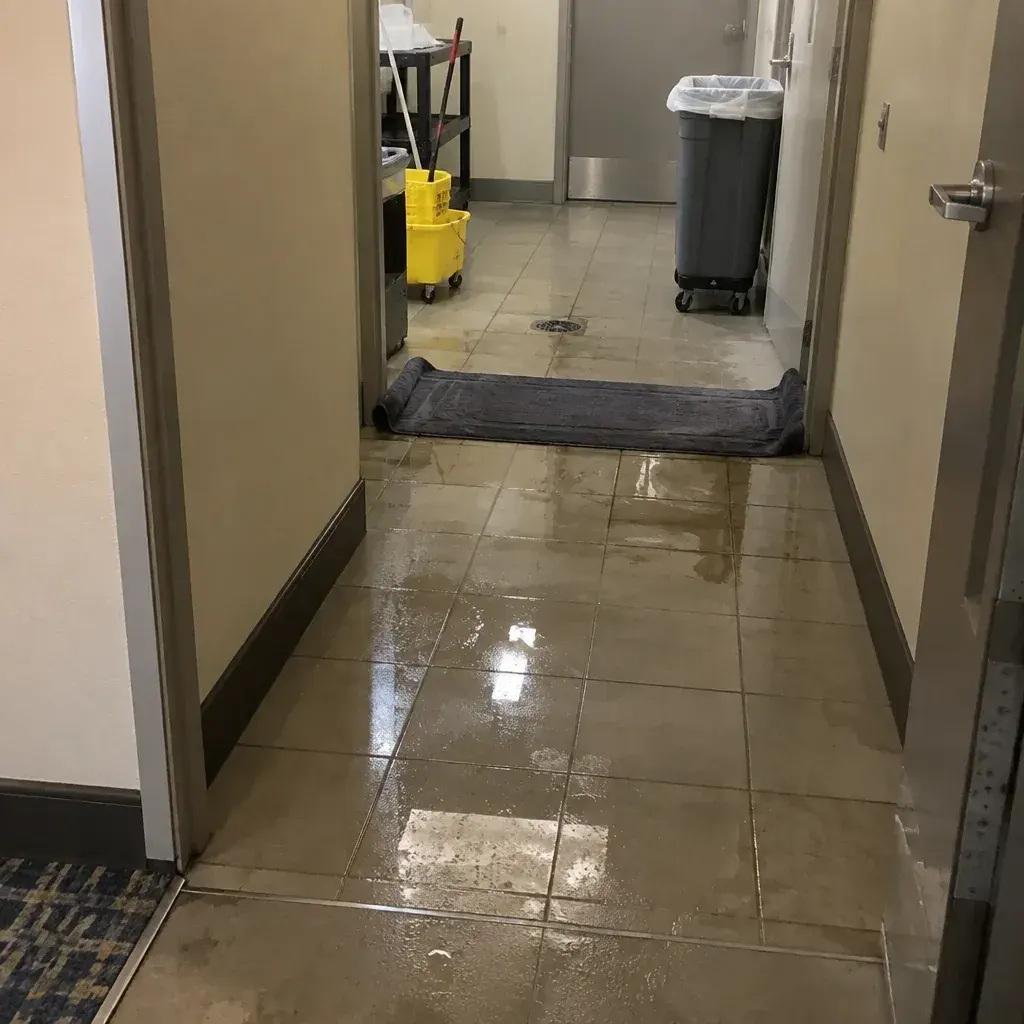
Guest Area Cleanup. Plan hotel sewage cleanup around affected rooms, shared areas, guest movement, and the work sequence.
See what cleanup involves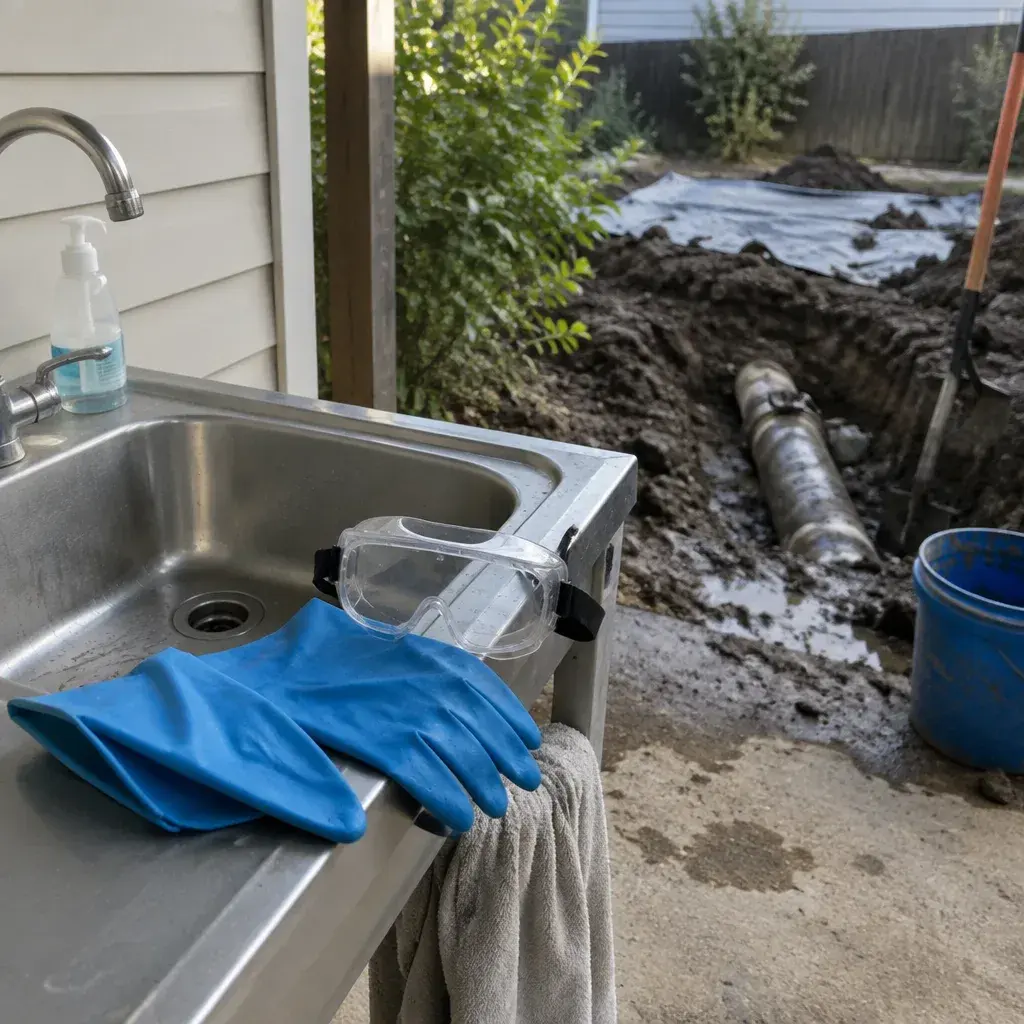
Get clear guidance for managing contamination and planning the cleanup.
View Basement Sewage Cleanup help in the United States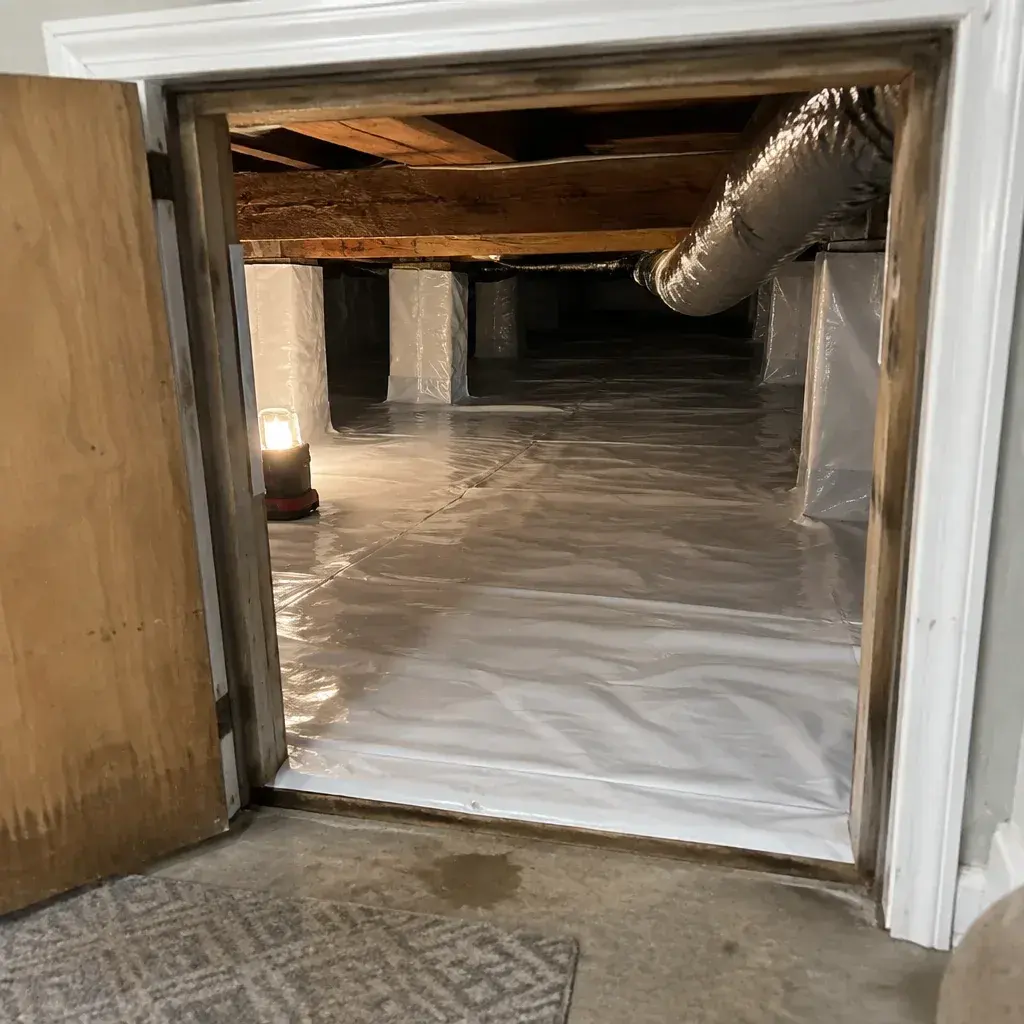
Contained sewage removal, surface cleaning, and careful crawl-space drying.
View Crawl Space Sewage Cleanup help in the United StatesFind out what a cleanup provider may assess after a sewage toilet overflow.
View Toilet Overflow Sewage Cleanup help in the United States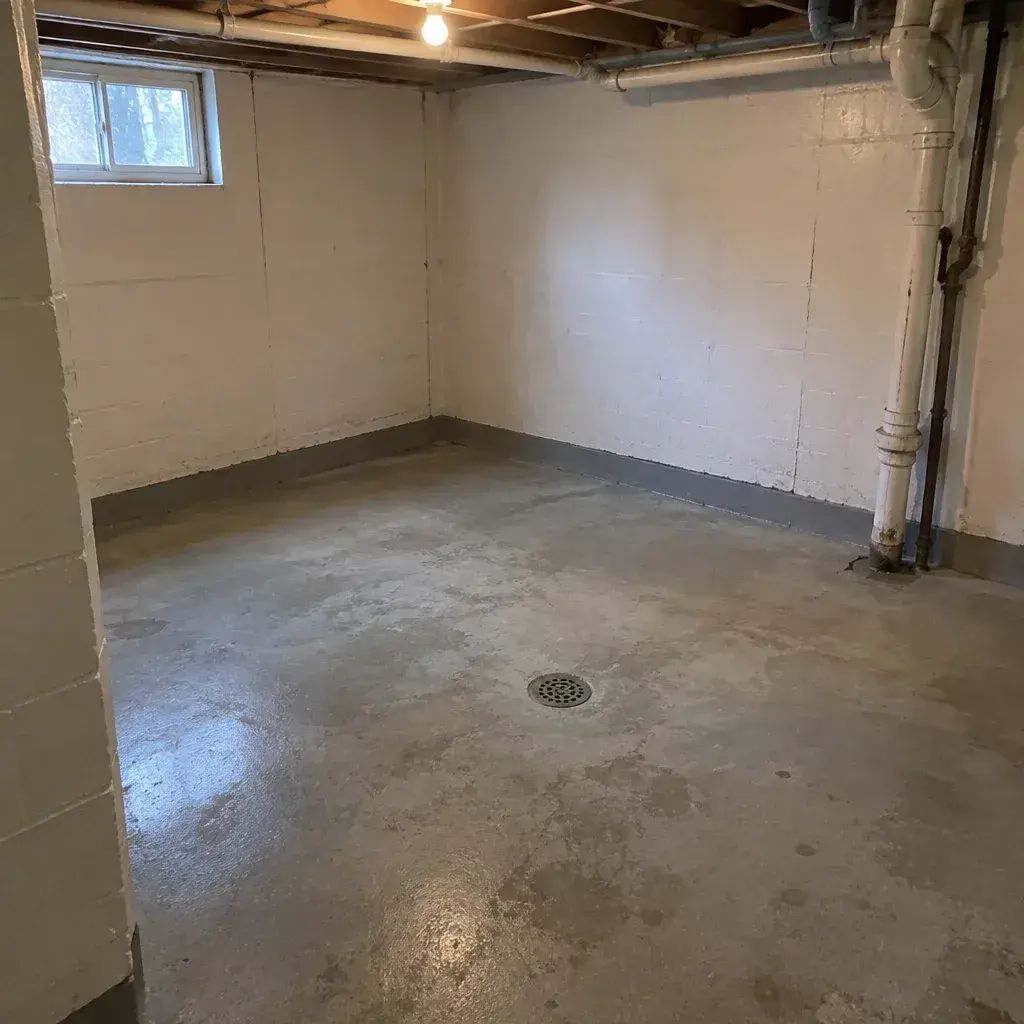
Contain the spill, assess affected materials, then clean and dry the space.
View Floor Drain Sewage Cleanup help in the United StatesKeep photos of the affected space and an itemized record of damaged materials. Add notes describing the cleanup work as it proceeds, including what was taken out and which areas were treated. These details can help document damage if you submit an insurance claim; whether the policy covers it depends on its terms. Avoid handling contaminated items to document them—record what you can safely observe.
Businesses in many fields can ask about sewer backup cleanup, including offices, stores, warehouses, and healthcare facilities. The work may affect areas used by staff, customers, patients, or for storing goods, so describe the kind of space and how it is used when you speak with the pros we connect you with. They can discuss the cleanup needs for the affected building and the records you may need for your business.
Tell the pros we connect you with when the space can be accessed and which areas your business needs to keep operating. They can confirm whether their schedule and the site conditions allow work during evenings or other off-hours. Containment can separate the affected area from cleaner parts of the building, but the layout and access still shape how work can proceed.
Sewer backup cleanup questions can come from a shop, an office, a warehouse, or a healthcare facility. Tell the pros we connect you with what kind of business operates there and which parts of the building support its work. That context helps frame the conversation about cleanup and business records. If a blocked drain or damaged sewer line may have caused the backup, a plumber can investigate that source while cleanup addresses contamination inside.
Commercial sewer backup cleanup is $14,000–$38,000 per visit. The quote changes with how much space needs attention, which contaminated materials must be removed, and the drying work; the pros we connect you with can confirm it after assessment.
For a workplace, identify the rooms and business contents exposed, and note whether nearby spaces need to remain accessible. The pros we connect you with can confirm availability for the address, timing, any assessment or visit charge, and whether work can be arranged around access needs. Request a written scope that lists removal, surface cleaning, disinfection, and drying, with separately priced work identified. Ask the licensed pros we connect you with how they will handle affected contents and whether any items need separate approval before treatment.
Call (877) 386-0069