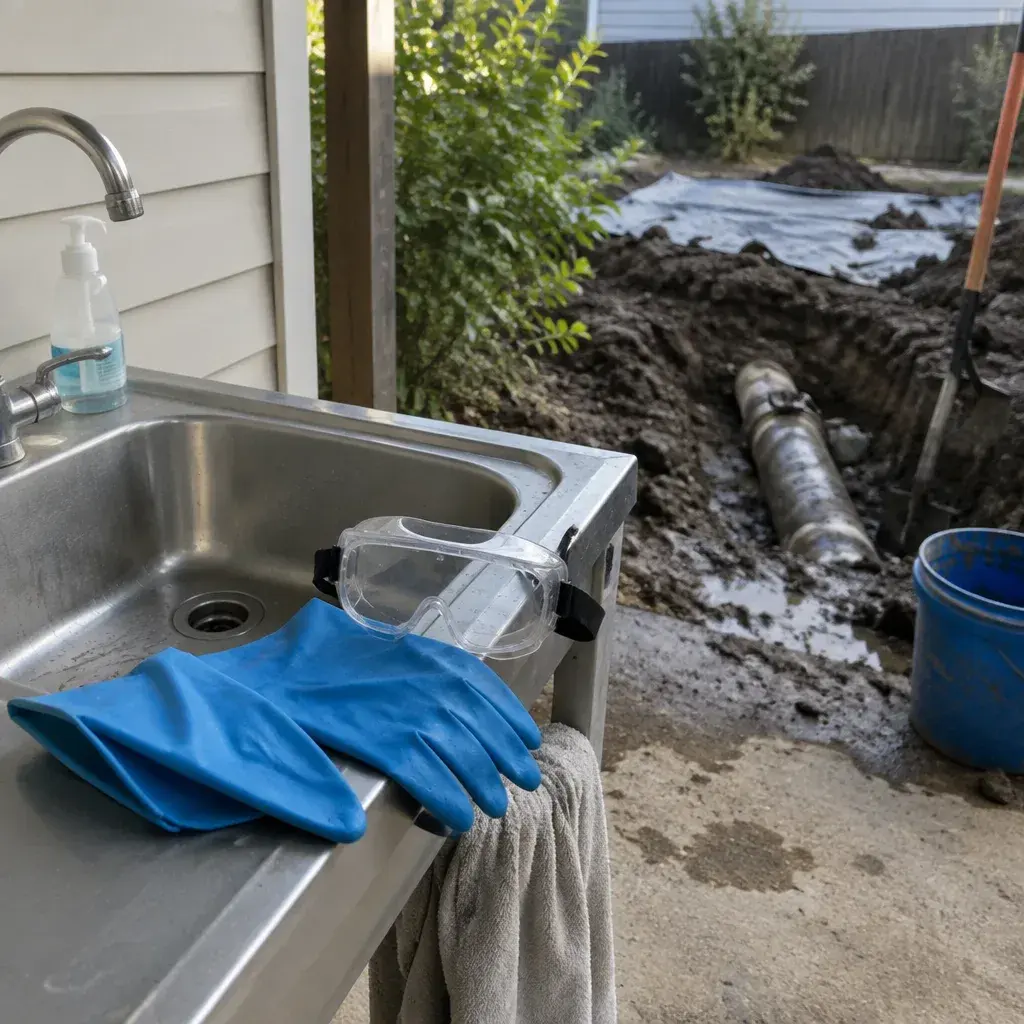
Basement Sewage Cleanup
Get clear guidance for managing contamination and planning the cleanup.
View Basement Sewage Cleanup help in the United States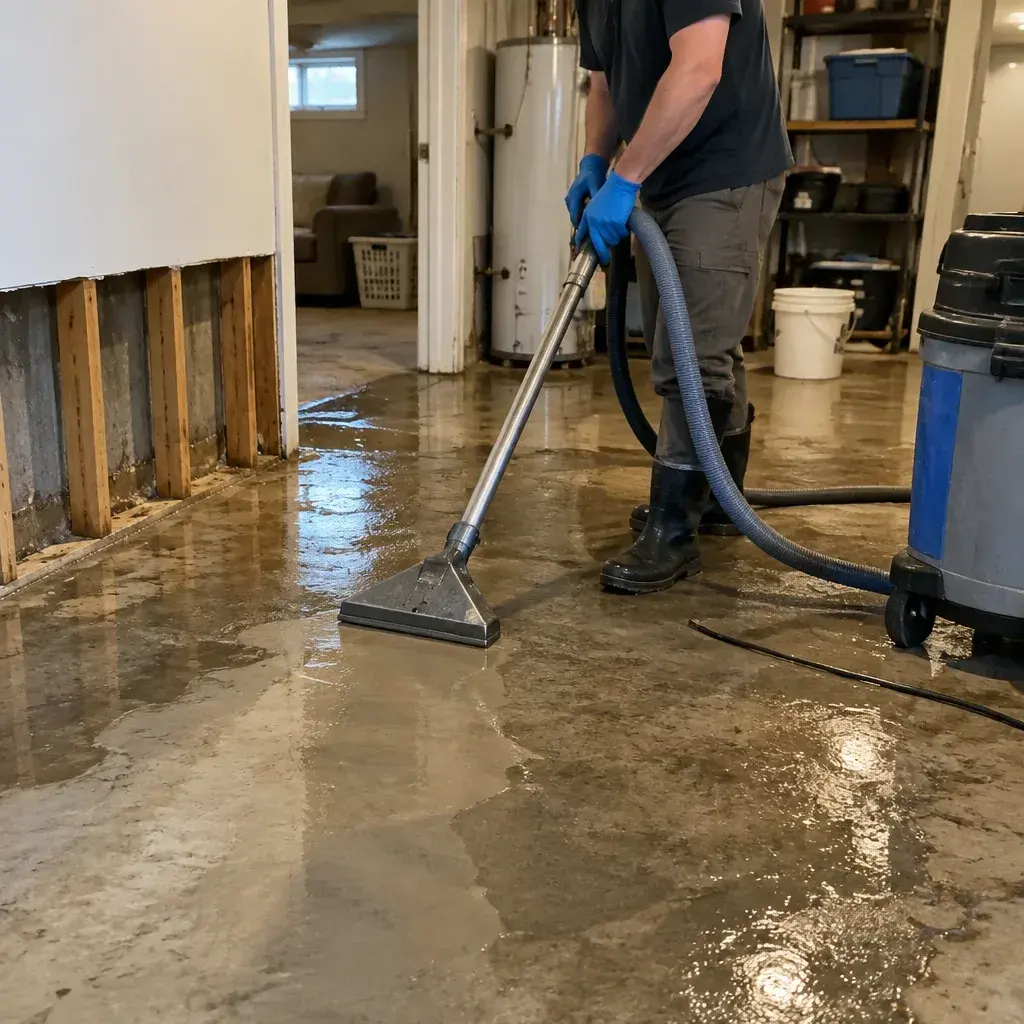
Sewage may have traveled beyond the area where it first appeared. Sewer Backup Cleanup handles sewage and contaminated materials inside, while a plumber traces and repairs the sewer line. The licensed pros we connect you with can assess which surfaces need treatment. Cleanup can include containment, sewage removal, taking out materials that cannot be kept, surface treatment, odor work, and drying. An assessment helps determine what can remain.
Start with the route the sewage took through the building. Tracing the route helps explain why visible damage may not show the full affected area. An assessment helps sort items and building surfaces into what needs removal, cleaning, or drying. An affected item may need a different response than a building surface. The work plan follows what the assessment finds.
The pros we connect you with can begin by identifying which rooms and belongings were affected and separating impacted areas from the rest of the property. They can check which surfaces and materials are suitable for cleaning and which may need to be taken out. Cleanup can include washing and treating salvageable surfaces, then using drying equipment to reduce lingering moisture. A plumber can inspect the sewer line and help locate the cause of the backup so it can be addressed.
For a private residence, start with Sewer Backup Cleanup; when you are responsible for cleanup in a tenant or customer space, choose commercial sewer backup cleanup.
These pages outline cleanup work and related services for you to review with the pros we connect you with.
Get clear guidance for managing contamination and planning the cleanup.
View Basement Sewage Cleanup help in the United States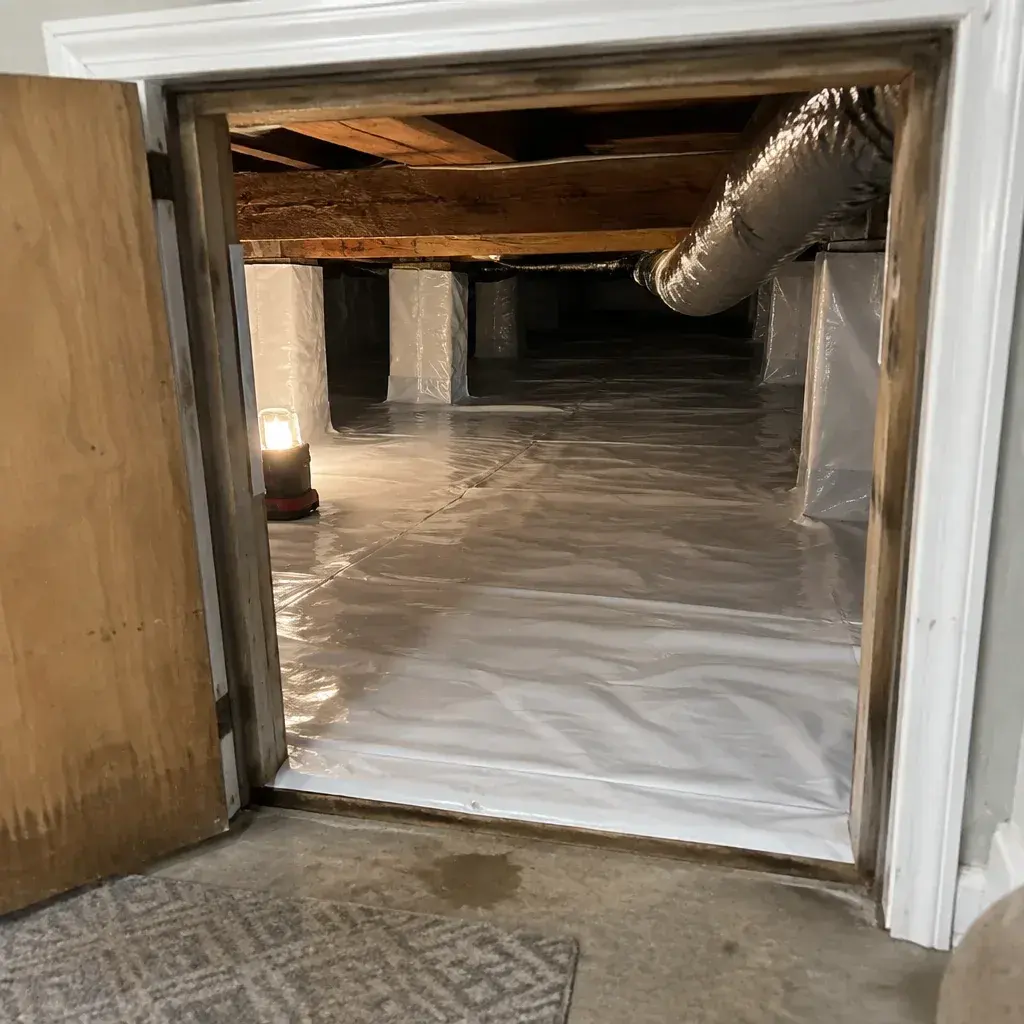
Contained sewage removal, surface cleaning, and careful crawl-space drying.
View Crawl Space Sewage Cleanup help in the United States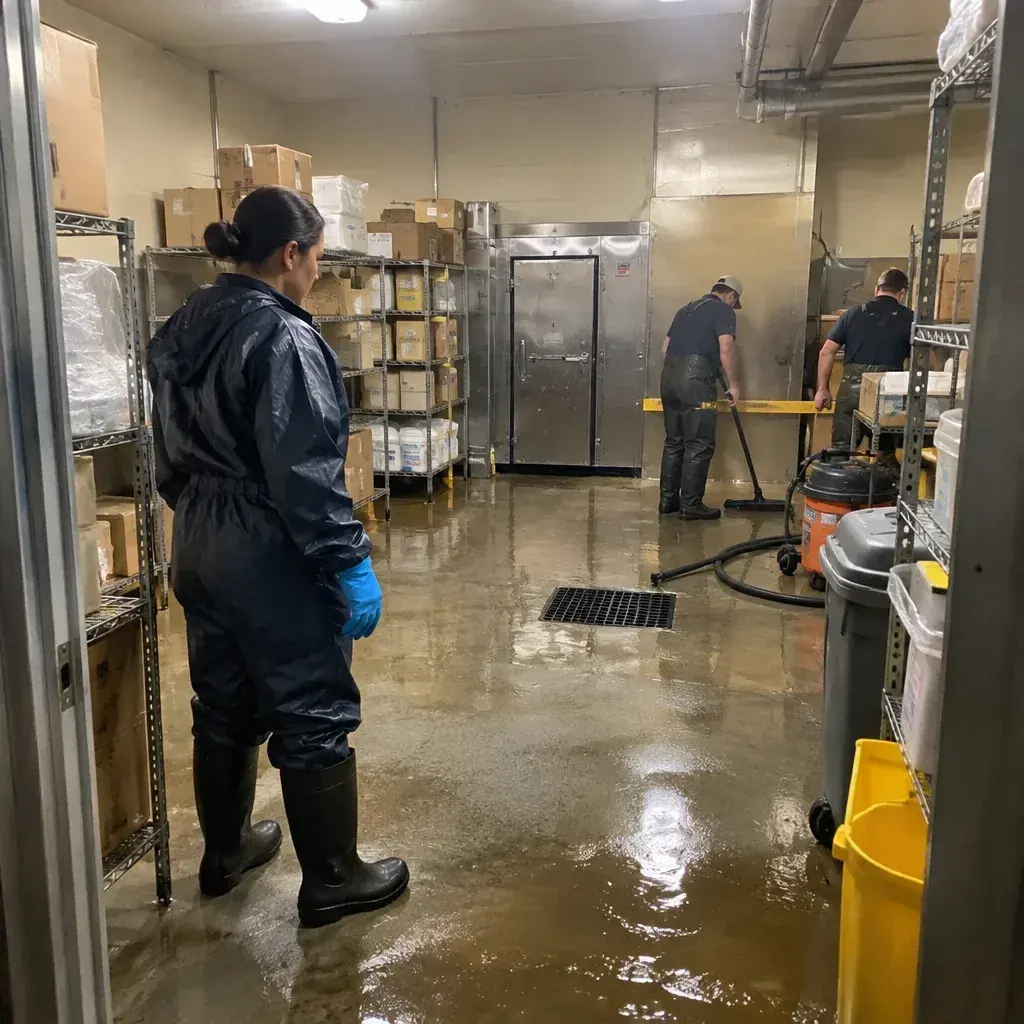
Find out what a cleanup provider may assess after a sewage toilet overflow.
View Toilet Overflow Sewage Cleanup help in the United States
Contain the spill, assess affected materials, then clean and dry the space.
View Floor Drain Sewage Cleanup help in the United StatesLook for guidance on documenting damage before materials are removed.
Learn how area separation, sewage removal, surface treatment, and drying relate to cleanup work.
The residential cleanup guide covers keeping clear of sewage, deciding what happens to affected materials, and questions to settle before work.
Use plain explanations of how affected areas will be contained to limit contamination spreading during cleanup.
Note where sewage surfaced, which items or building materials it reached, and whether odors or dampness remain.
Check whether sewage has entered the building first. A strong sewage odor can signal a backup even before you see standing water. A plumber is the right contact for finding and repairing the blockage or sewer line problem behind the backup. You may need both: one addresses the source, and the other treats what happened indoors.
Start with where the problem is showing. If wastewater has reached flooring, walls, stored belongings, or other interior materials, a cleanup assessment is relevant because contamination may extend into the building. If a drain is blocked or waste is not flowing through the sewer system, plumbing diagnosis is also relevant. One backup can leave you with both an indoor cleanup need and a separate plumbing issue.
Yes. A plumber can assess the sewer connection or blockage, while cleanup assesses what sewage reached indoors. These are separate tasks: a plumbing repair does not determine whether flooring, wall finishes, or contents can remain, and cleanup does not clear a blocked pipe. Tell each provider what you observed so they can assess the part of the problem within their scope.
Yes. Drying can follow sewage removal and cleaning within the same project. The cleanup provider can check building components for retained moisture and direct drying where dampness remains, including places that did not look wet at first. Moisture held beneath flooring or inside a wall can persist after visible wastewater is gone, so the drying stage addresses what remains in affected materials.
Before choosing a service, identify where sewage traveled and which porous materials or hard surfaces it contacted. A visible spill may not show whether sewage reached material beneath flooring or behind a wall. Ask the pros we connect you with how they will separate the affected area, what each step covers, and whether any work is priced separately. Confirm when an assessment could happen, whether it carries a charge, and what written scope you will receive before cleanup proceeds.
Call (877) 386-0069