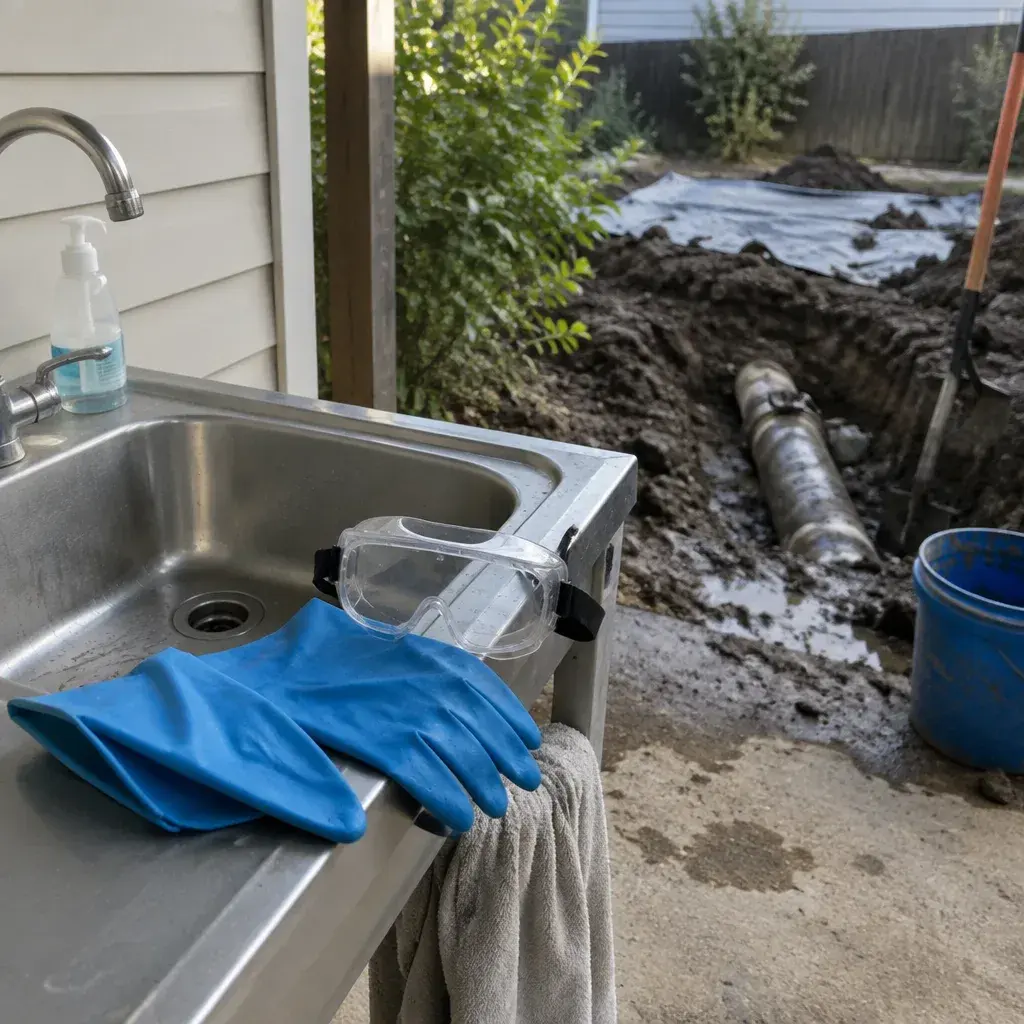
Basement Sewage Cleanup
Get clear guidance for managing contamination and planning the cleanup.
View Basement Sewage Cleanup help in the United States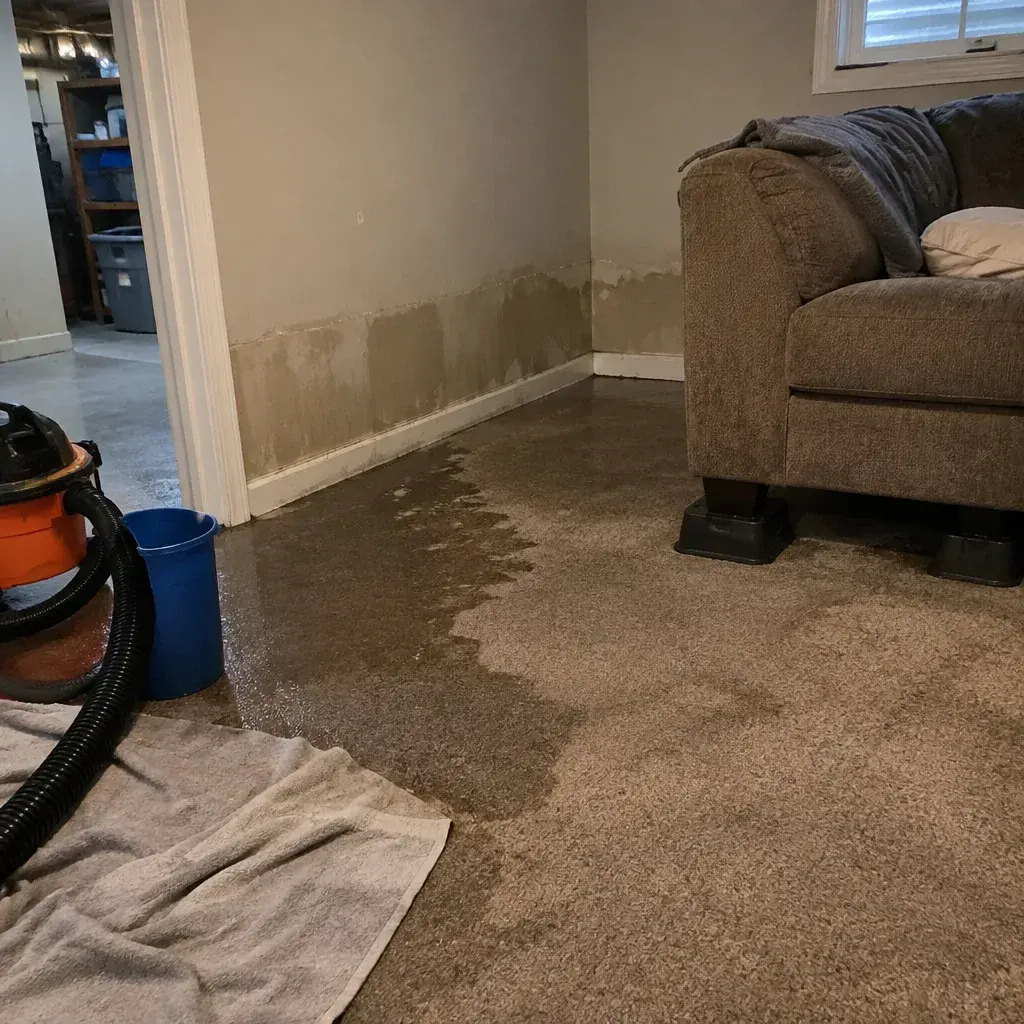
Begin by limiting movement between the affected area and the rest of the home. Sewage residue can remain on materials even after the visible water is removed. Once the work area is contained, sewage can be extracted and the structure reviewed. That order gives you a clearer basis for planning what follows, including drying and repairs, without carrying debris through the house.
The cleanup assessment helps set the order for restoring the home. Affected building materials need to dry after cleaning, so repair planning can follow what the structure requires rather than an assumed schedule. Keep track of which parts of the home are ready for follow-on work and which still need attention. That handoff makes it easier to coordinate restoration steps around the condition of the structure and your household’s access to the home.
Before work begins, find out how the pros will separate the work area from the parts of your home that are still clean, and how they will decide what can be treated or must be taken out. Ask how they will confirm that damp building materials have dried, and what findings could change the repair plan. You can also ask how cleanup progress and damaged belongings will be recorded, and whether a plumber should be involved to investigate the backup's source.
Begin by separating what can be treated from what has absorbed sewage. Affected items and building surfaces may call for separate cleanup decisions. Then check for moisture beyond the visible mark so affected building materials can dry. The pros we connect you with can note which items were removed and which areas were treated, giving you a record as repair decisions take shape. The record can show how cleanup findings inform later repair decisions.
Get clear guidance for managing contamination and planning the cleanup.
View Basement Sewage Cleanup help in the United States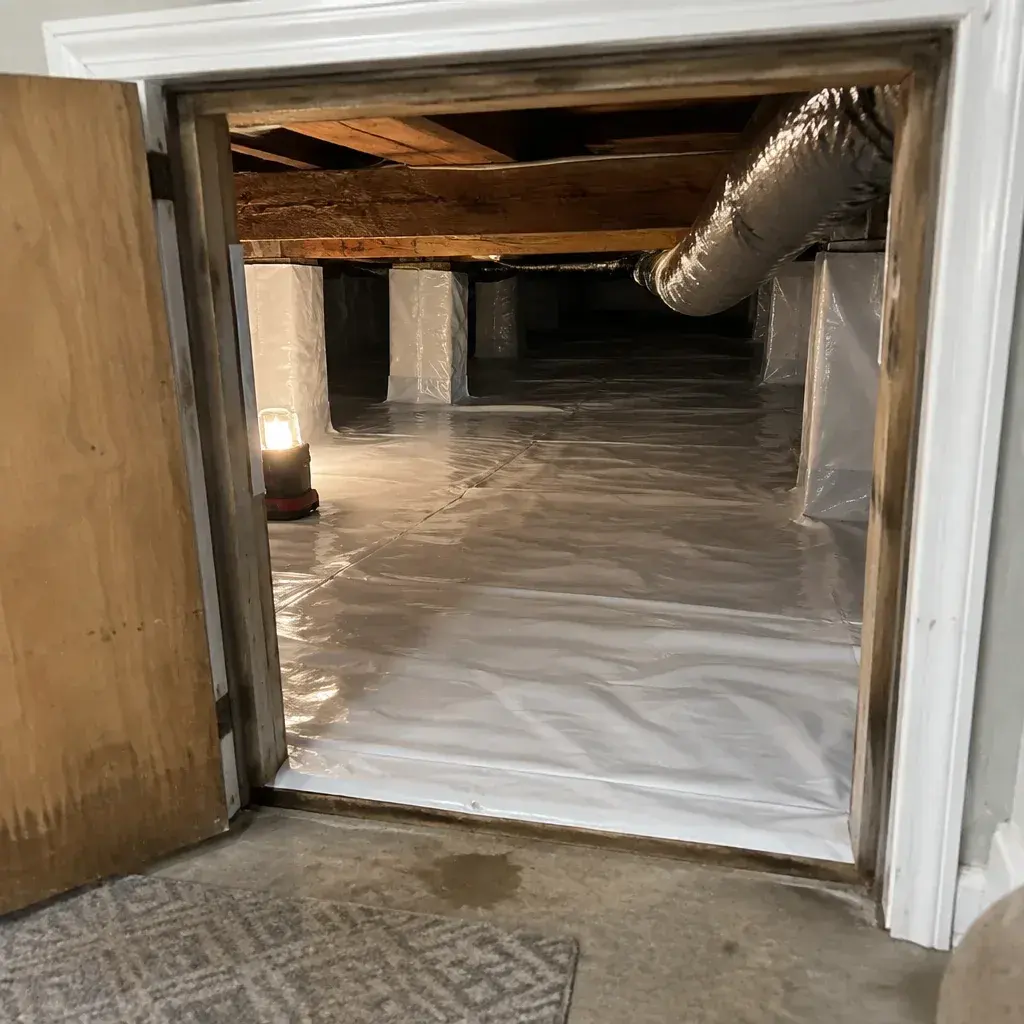
Contained sewage removal, surface cleaning, and careful crawl-space drying.
View Crawl Space Sewage Cleanup help in the United States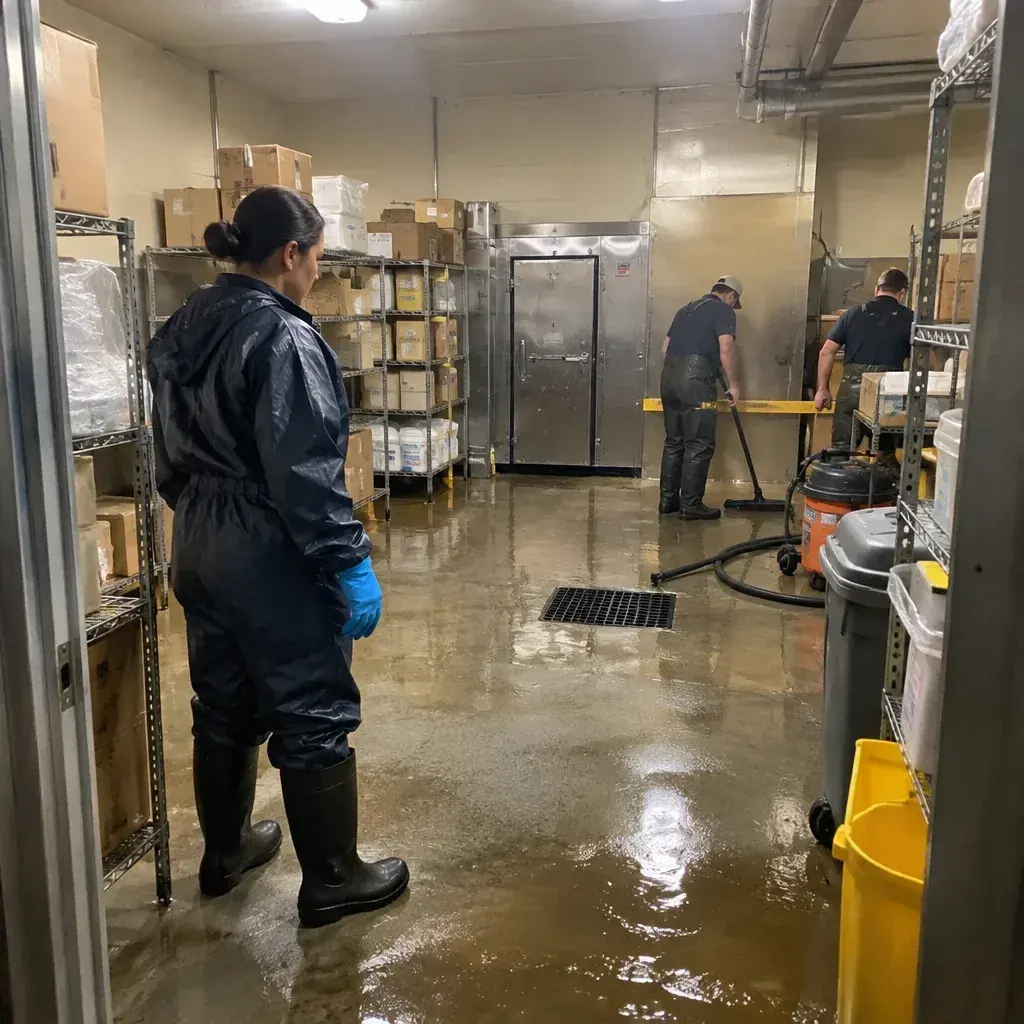
Find out what a cleanup provider may assess after a sewage toilet overflow.
View Toilet Overflow Sewage Cleanup help in the United States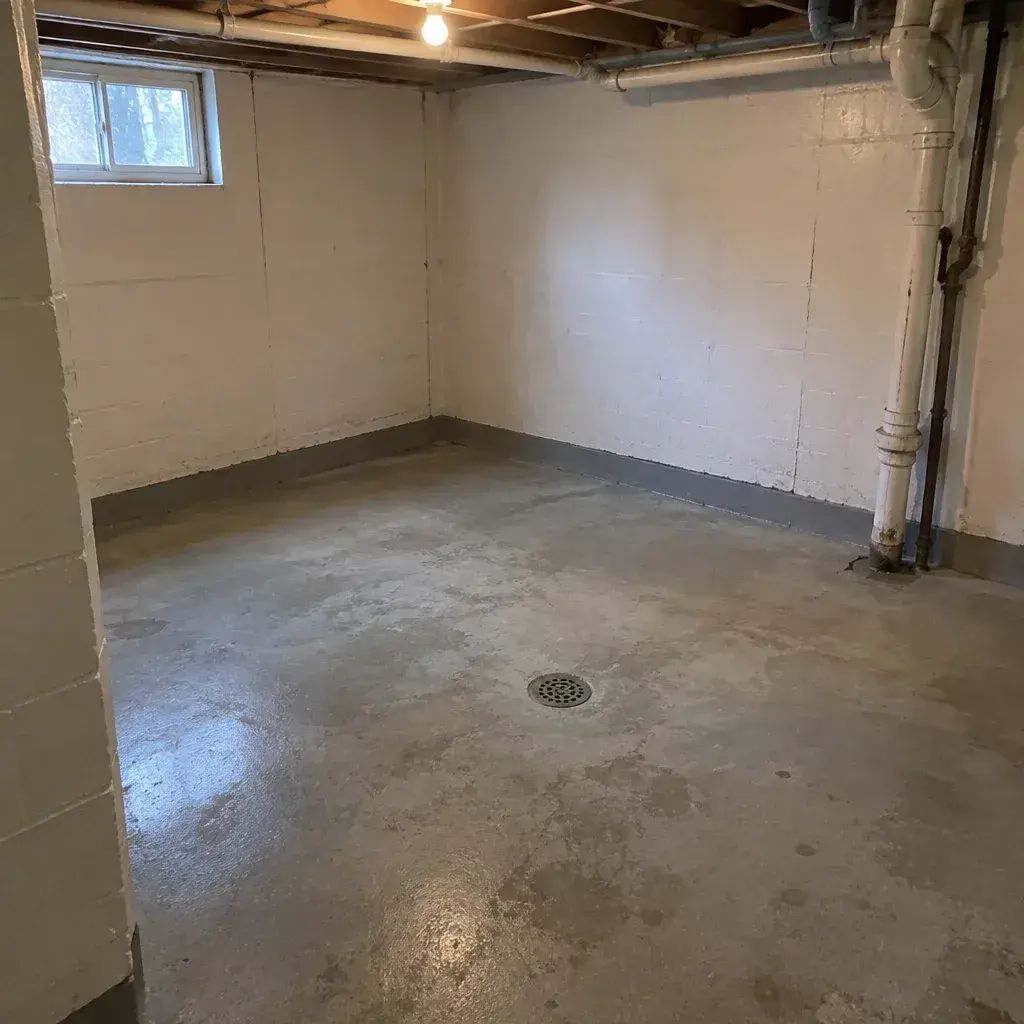
Contain the spill, assess affected materials, then clean and dry the space.
View Floor Drain Sewage Cleanup help in the United StatesSet up a clean part of the home for children and pets, away from the affected rooms and the route workers use to carry equipment or materials. Keep them out while sewage is being removed and surfaces are cleaned. Do not bring belongings back into the clean area until they have been cleaned or checked for contamination.
Work may begin by keeping the affected zone apart from clean rooms and removing sewage, followed by an assessment of what the backup reached. The plan can include odor treatment and drying materials that took on moisture; drying continues until affected building parts are dry. Ask whether the assessment accounts for each affected room and belongings, and keep photos and a written inventory as the work proceeds.
Whether you can remain depends on whether the affected rooms can be separated from the clean parts of your home and whether you can still use essential areas safely. If the work zone cuts off needed access or cannot be kept apart from your living space, staying elsewhere may be necessary while cleanup proceeds. Consider whether cleanup activity would make it difficult to rest or keep up with daily routines.
After sewage and contaminated materials are removed, cleanup can continue with disinfection, odor treatment, and drying damp building materials. Drying comes after extraction and cleaning because moisture can remain inside parts of the structure even when the visible mess is gone. The pros we connect you with can describe the cleanup steps for your home. The cleanup focuses on materials and areas affected by sewage and moisture.
Use $2,700–$6,800 for this work as the cleanup estimate for residential sewer backup cleanup. Keep a record of affected materials to track which items the cleanup estimate covers.
Damage may extend beyond the surface where sewage first appeared. Note whether the source is still active, since that can affect cleanup planning. Ask the pros we connect you with whether they serve the address and when they can review the damage. Have them explain the written cleanup plan, any charge for the visit, and which steps are included or billed separately. If you are considering a warranty, ask what its terms cover.
Call (877) 386-0069