Office Building Cleanup
Office Cleanup Planning
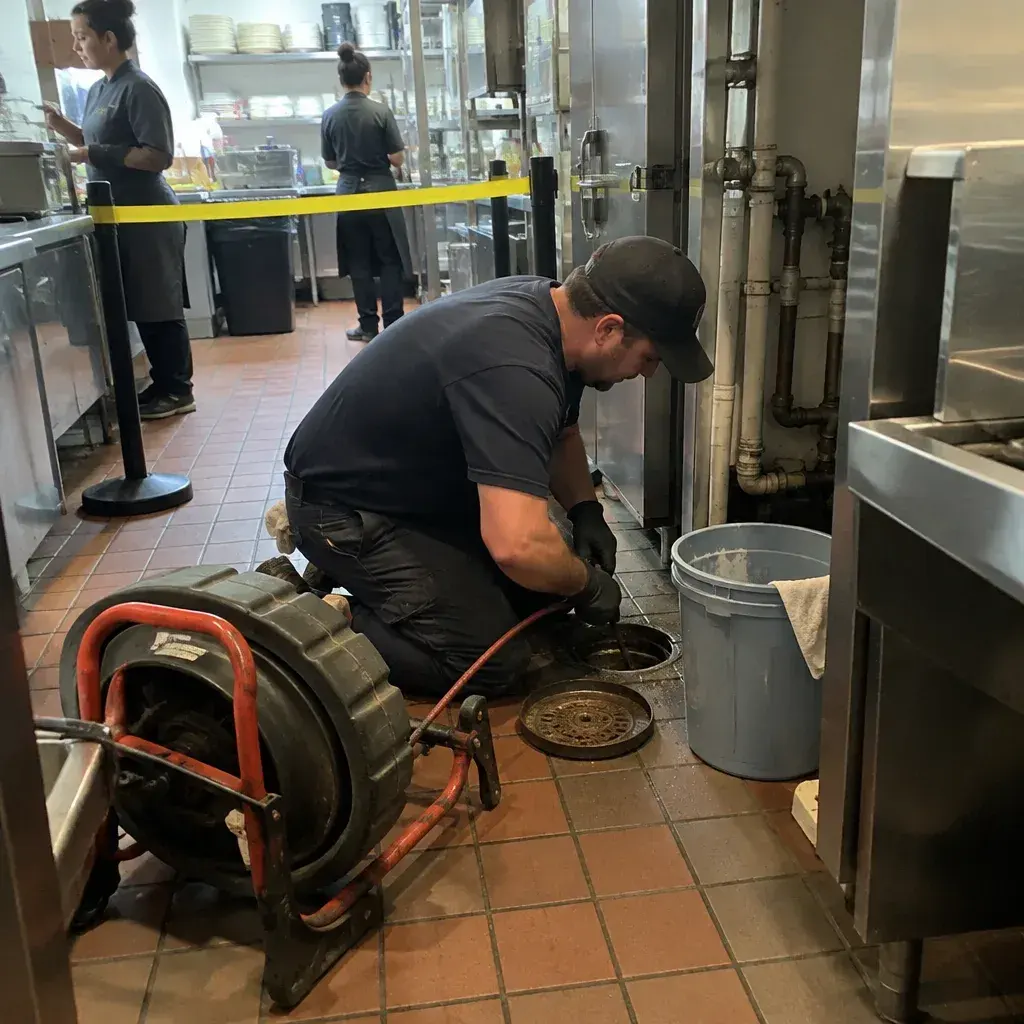
The licensed pros we connect you with can discuss sewage cleanup options and explain how the referral works.
Restaurant sewer backup cleanup keeps people out of affected spaces, separates cleanup from food operations, and assesses the kitchen, connected rooms, food, and equipment. It can include sewage removal, material removal, cleaning, disinfection, odor treatment, and drying, with food safety decisions guided by the relevant authority.
For a restaurant group, begin by checking which locations have sewage in food preparation or service areas, then identify what each site can still safely do. Restaurant sewage cleanup must account for more than the visible spill: a commercial kitchen backup can affect movement between receiving, storage, dishwashing, and cooking. Keep staff and customers out of affected areas while you contact the relevant food safety authority and a cleanup professional. A shared plan can set the same decision points for every address while leaving each site’s actual work tied to its conditions.
Build the first review around a separate site record for each restaurant. Note where the backup appeared, which rooms connect to it, and whether staff need to pass through those rooms to reach food, supplies, or handwashing facilities. A simple sequence such as receiving to storage to preparation to service can reveal a break in the normal workflow even when sewage is limited to one area. Keep people away from the affected zone, and have a cleanup professional assess how far contamination may have moved.
Treat food, packaging, utensils, and other supplies as a distinct review at every address. Record what was near the backup and whether it was sealed, open, or visibly affected; do not assume an item is usable because its outside looks clean. Ask the relevant food safety authority how exposed items should be handled before discarding, cleaning, or returning them to service. This gives managers a clear basis for decisions across locations without assuming that the same inventory or exposure applies at each restaurant.
Compare the effect on work, not just the size of the wet area. At one address, staff may be unable to use a sink or dishwashing station; at another, the affected route may interrupt deliveries or access to cold storage. Write down which tasks have stopped, which remain possible outside the affected zone, and what would need to change before work resumes. This location-by-location view helps you coordinate the group while keeping each restaurant’s operating decision tied to its own kitchen layout and assessment.
Before equipment is moved or switched on, note what it is and where it sits in relation to the backup. Include refrigerators, dishwashers, cooking equipment, counters, and movable racks, along with visible contamination or water at their bases and controls. A cleanup professional can assess what needs cleaning and disinfection and what requires a different response. Keep the record tied to the individual restaurant so an item at one site is not confused with similar equipment at another.
| Food Service Area | Cleanup Scope | Shared Scope |
|---|---|---|
| Site boundaries | Rooms and adjoining spaces reached by sewage | Map the work area separately at each address |
| Food stock | Open ingredients, sealed goods, and packaging in affected zones | Hold potentially exposed items for food safety review |
| Ingredients and serving supplies | Refrigeration units, prep stations, and appliance contact points | Note what sewage reached before deciding what can be cleaned |
| Kitchen supplies | Pans, utensils, storage bins, and service items | Separate affected supplies pending assessment and food safety guidance |
| Work sequence | Containment, sewage removal, surface cleaning, and disinfection | Keep cleanup steps clear of food preparation and service |
| Building surfaces | Flooring, wall finishes, cabinet bases, and absorbent materials | Assess which materials need removal, cleaning, or drying |
| Site records | Photos, affected item notes, and cleanup progress by address | Maintain a separate record for each restaurant location |
| Kitchen service interruptions | Kitchen tasks, staff routes, and customer entrances affected | Plan access and closures with the cleanup professional |
Ask the cleanup professional to identify affected materials by address and by the action each needs. Nonporous surfaces may be cleaned and disinfected, while absorbent items reached by sewage may require removal because contamination can remain within them. The assessment should also identify parts of the structure that need drying after the wet material is gone. This distinction matters in kitchens, where walls, floor finishes, cabinetry, and equipment have different surfaces and roles.
Start by identifying which kitchen functions share space with the affected area: receiving, preparation, dishwashing, cold storage, and staff access. In a commercial kitchen backup, sewage contact can make exposed food, packaging, utensils, and ingredients unsuitable for continued use; equipment and supplies need separate assessment based on where water reached and whether they can be cleaned. Restaurant sewage cleanup should account for food service rules that apply to the operation. Keep people out, pause affected handling, and consult the relevant food safety authority and the pros we connect you with before restarting.
Use one record format across the restaurant group, with a distinct entry for each site. Track when the issue was reported, what areas were restricted, what the assessment identified, and which manager or outside contact made each decision. Add changes as they happen rather than relying on a later summary. A consistent record makes it easier to compare progress across addresses while preserving the differences in findings, materials, and food service decisions at each restaurant.
Food service cleanup includes decisions that depend on the requirements applicable to the restaurant, not only the physical condition of the room. Contact the relevant food safety authority with a clear account of the affected areas, food handling, and planned cleanup, then follow its direction on when particular spaces or items may return to use. Keep that guidance with the record for the location it concerns. Requirements and circumstances can differ, so do not treat a decision for one address as approval for another.
Coordinate staffing and service changes around the areas that remain unavailable. You might need to redirect deliveries, pause preparation of affected menu items, or move a task to another restaurant if its own conditions and applicable requirements allow. Name who can approve each change and keep the affected location’s decisions together. A group plan can help managers see where capacity has shifted, while the site assessment and food safety guidance determine what can resume locally.
Keep photographs and notes organized so each record identifies the restaurant, room, and item. When it is safe to do so, document visible conditions before removal or cleaning, then add the cleanup steps and materials addressed. An itemized record can help explain how the scope relates to the observed damage and may support an insurance claim; coverage depends on the policy. These records also help you compare what happened across sites without merging separate conditions into one account.
The page network serves selected places with their own local pages; in other covered places, requests connect through the same referral. For a restaurant group with addresses in different markets, use the same initial reporting and record process, then confirm the conditions and applicable food safety direction at each site. The site’s listed states include Alabama, Arkansas, Arizona, California, Colorado, Connecticut, Delaware, and Florida, along with others represented in its coverage. A location’s page or referral does not replace an address-specific cleanup assessment.
For a restaurant group, keep one location-by-location status record so decisions at one kitchen are not mistaken for another’s. Note which service areas are affected, whether food operations have paused, and what remains pending before reopening decisions; different layouts and affected materials can produce different schedules. Selected places have their own service pages, while other locations connect through the same referral to the pros we connect you with. This gives you a consistent way to coordinate updates across addresses without treating them as one work site.
After sewage and affected materials are removed, the remaining work includes cleaning, disinfection, and drying the affected structure. Disinfectants need to be used according to their product labels, including stated contact time and safety directions. Ask what areas require drying and how the professional will determine when that work is complete. Track those answers for each restaurant, since a shared plan can organize the review but cannot show whether materials at different addresses have reached the same condition.
For a restaurant group, compare each address by the area reached, equipment placement, access windows, and drying needs. Similar backups can call for different work: one kitchen may have open tile floors, while another has sewage beneath built-in cold storage or behind wall finishes. Include what each site needs to keep food operations apart from cleanup, and record the reason its scope differs. The pros we connect you with can explain how these conditions affect commercial sewage cleanup cost; plumbing diagnosis is separate.
Check the linked communities for places with a dedicated page; if your location is not listed, the same referral can still connect you with pros, includingBirmingham AL, Homewood AL and Anniston AL. Before arranging an inspection, ask whether the pros we connect you with charge for the visit separately from cleanup work.
What occupies the affected space can shape how cleanup is planned. $7,000–$14,000 can help frame a budget. A retail floor with stock in the affected zone may need more material handling than an open office.At a commercial site, the rooms reached, connected work areas, and affected fixtures can change which tasks are needed and how the job is priced. On your call, describe where sewage traveled, what equipment or contents were exposed, and which spaces must stay accessible; that helps shape a site-specific work list.The pricing guide explains how cleanup costs are assessed, while the commercial overview describes how the pros we connect you with coordinate commercial sewer backup cleanup.
Office Cleanup Planning
Retail Response Planning
Guest Area Cleanup
Restaurant sewage cleanup starts by keeping staff and customers out of affected areas and separating them from food operations. The cleanup professional assesses the kitchen and connected rooms, removes sewage, and identifies materials that need removal or treatment. Keeping clean tools separate from contaminated materials helps limit the spread of sewage during cleanup. Check with the relevant food safety authority about food service decisions while cleanup is planned.
Set aside food, packaging, utensils, and supplies that may have been reached by sewage. Ask the relevant food safety authority for direction on whether they can return to use. Have equipment reviewed according to its exposed surfaces and parts: smooth, accessible areas differ from absorbent or enclosed components. Keep the items out of service until those decisions are made.
Keep a separate record for each restaurant address so group-wide review does not blur what happened at a particular site. Note the rooms and operations affected, items held from use, materials removed, and cleanup steps as they occur. Keep dated images and decisions with the relevant address, and file any plumbing findings separately from the interior cleanup record.
Tell the cleanup professional which kitchen functions, entrances, and staff paths are affected at each location. Agree on how workers can reach the site and which areas must stay closed during the work. Managers can then adjust tasks or service plans around those limits. Keep employees and customers away from contaminated spaces until they have been assessed and cleanup is complete.
Keep staff clear of affected areas, check food safety guidance, and review a separate work scope for each restaurant with the pros we connect you with.
Call (877) 386-0069