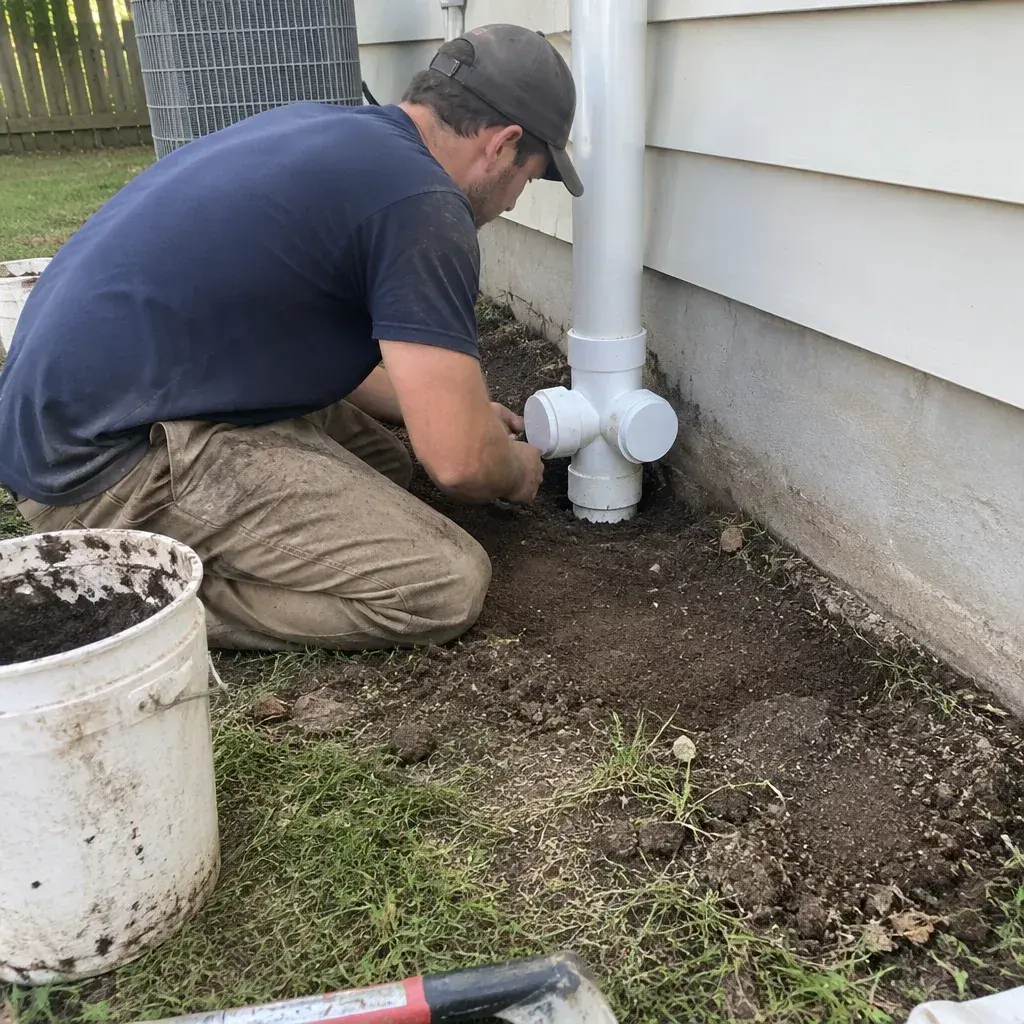
Returning Home
When can you use an area again after sewage cleanup? Equipment being gone is not, by itself, a clear signal to return.
Read article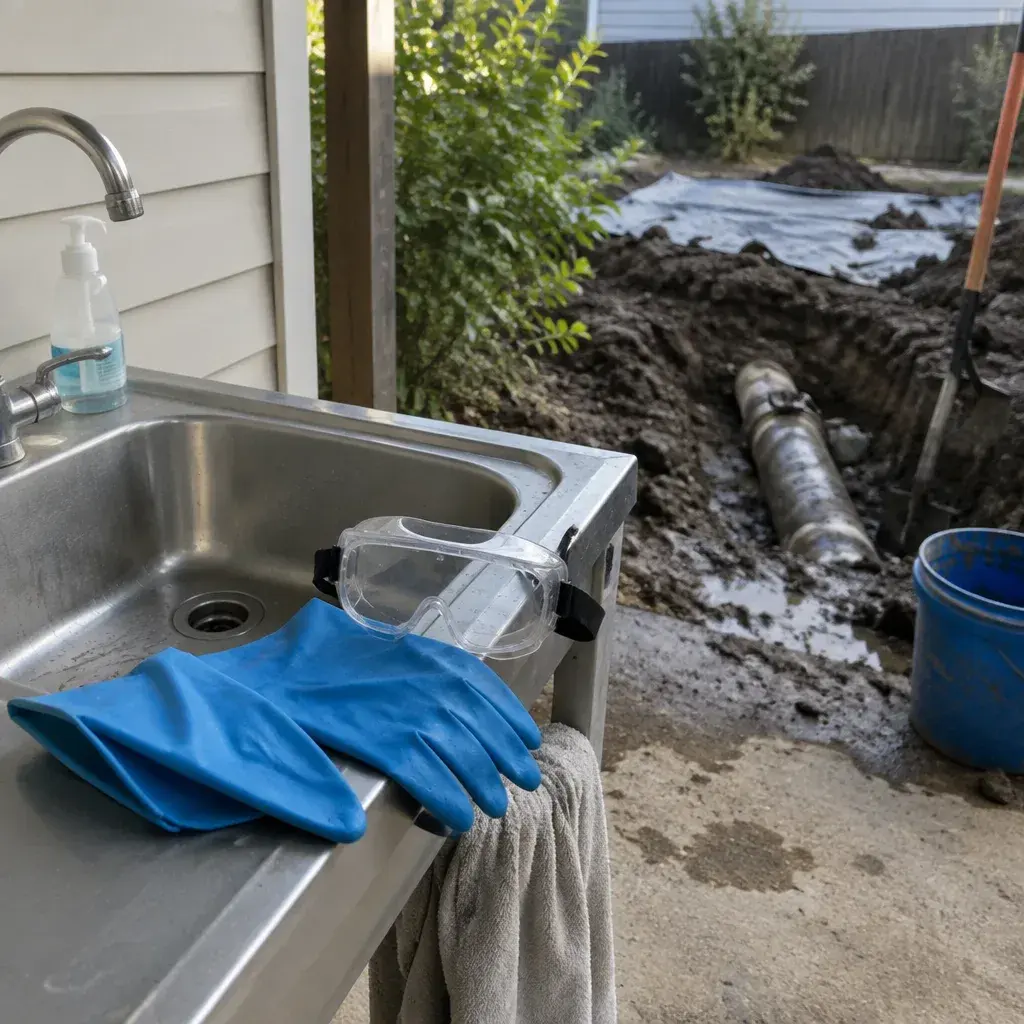
Get clear guidance for managing contamination and planning the cleanup.
A sewer backup basement can leave contamination across floor finishes, stored contents, and lower wall materials, so the visible water line does not define the full work area. Note which surfaces and belongings were reached for the cleanup assessment. Location pages cover selected U.S. areas; the referral service connects readers elsewhere with pros. A complete cleanup plan accounts for affected finishes, contents, and structural materials. Cleanup addresses contamination, while plumbing work addresses the cause.
Basement sewage cleanup also depends on how equipment and debris can pass between the entrance and the work area. Narrow stairs, stored items, and finished thresholds may affect how the pros we connect you with set up the job and keep the route to clean areas clear. They plan extraction, material removal, surface cleaning, and drying around the basement’s layout. The contaminated area and the materials involved affect time and cost. Moisture checks can show whether drying needs to continue after visible water is gone.
Across the configured service locations, Basement Sewage Cleanup starts by tracing where sewage reached porous flooring or wall materials, since those may need removal before other affected surfaces are cleaned, disinfected, and dried.
If sewage cleanup is needed at your home, use Sewer Backup Cleanup; if you own or operate a rental property or business, see commercial sewer backup cleanup.
Check low points first: wastewater at a floor drain, staining around a sump area, or a dirty tide mark on concrete can show where contamination collected. Then follow residue toward nearby walls and doorways. Sewage may travel beyond the deepest pool, so a dry-looking strip is not enough to establish that the area is clean. Keep out of the affected space and let a cleanup professional assess the full reach before contents or finishes are moved.
Look for changes where flooring meets walls and around the bottom edge of finished panels. Swollen trim, lifting vinyl, or a soft patch in carpet can indicate that water reached material beneath the surface. Those layers may hold contamination even after the exposed floor looks dry. A sewage-like odor may linger when residue remains in concealed spaces or absorbent materials.
Stored items can reveal how far the backup reached. Inspect the lowest shelf, the underside of boxes, and fabric or paper left on the floor for staining, dampness, or residue; do not handle contaminated belongings. Absorbent contents may retain sewage where wiping the outside cannot reach. A cleanup assessment can sort affected materials for disposal or treatment, while odor that remains after removal and cleaning may call for further odor treatment.
The assessment traces sewage exposure through contents and finishes, identifying what needs removal, surface treatment, or drying.
A contained work area limits transfer into clean rooms while extraction equipment removes contaminated water from the basement.
Containment helps keep contamination from spreading beyond the cleanup work area.
The work area is reviewed for missed debris before drying equipment is removed.
Basement finishes can hold contaminated water out of sight. Carpet backing, wallboard, and items stored against the floor may stay wet after the open surface has been cleaned. If those materials remain, odor and moisture can persist beneath the room's visible finish. An assessment helps determine what to remove, which surfaces to disinfect, and where drying equipment needs to work so cleanup reaches the affected structure.
Containment creates a boundary between basement work and the rest of the home. Openings and the path from the stairs can be managed to limit the movement of contaminated water, debris, and foot traffic as cleanup proceeds. Ask how the work area will be separated from clean rooms, particularly where the basement entrance opens into a hallway used by the household. Keeping unaffected belongings outside the boundary can help keep them apart from contaminated contents.
Basement cleanup may involve both removing contaminated contents and addressing affected building surfaces. Location pages identify places with dedicated pages; in other covered areas, requests connect through the same referral. A location page describes the service for its area, while the work at your home depends on the basement layout and materials affected. Check the location listings to see whether your area has a dedicated page or is served through that shared referral.
Treat Basement Sewage Cleanup ranges in the United States as tentative; the pros we connect you with can clarify visit fees and provide a written breakdown of cleanup tasks.
| Area, Cleanup Scope, Cost Drivers | Impact, Tasks, Cost | Impact, Scope, Cost |
|---|---|---|
| Single area | Assessment of impacted space and a condition-matched cleanup outline | an estimated $7,000–$14,000 |
| Focused cleanup | Scope-listed debris removal, surface washing, disinfection, odor control, and moisture drying | an estimated $8,050–$18,200 |
| Widespread impact | Documented findings can add confirmed affected rooms or building materials | an estimated $7,000–$14,000 |
| Largest scope | Line blockage diagnosis belongs with a plumber, outside the cleanup work | an estimated $16,800–$56,000 |
An estimate may divide the work among sewage extraction, disposal of absorbent materials, and treatment of surfaces that can remain. Ask whether odor control and drying are included, and keep any upgrade to longer-lasting replacement materials in the rebuilding budget. A written breakdown can make each cleanup task easier to review.
Keep people and pets out, then contact a cleanup professional. The pros we connect you with can assess the affected basement, contain the work area, and extract contaminated water. They remove materials that cannot be cleaned, wash and disinfect affected surfaces, treat odors as needed, and dry damp parts of the structure. Wait for the cleanup professional to confirm the area is ready before bringing people or pets back in.
Carpet padding, cardboard, and other absorbent materials may hold contamination below the surface, so they can require removal. A professional assesses how far sewage reached and whether an item or building material can be cleaned and disinfected effectively. Hard, nonporous surfaces may be treatable, depending on the exposure. Sewage can also reach belongings that were not sitting in the visible water.
Avoid running fans or household equipment in the affected area until it has been assessed. Do not touch pooled sewage or move affected belongings into other rooms. Contact a cleanup professional to assess the area and arrange containment and extraction. If the backup may still be active or its cause is unresolved, contact a plumber to diagnose the source before using affected plumbing fixtures.
Odor control depends on addressing the conditions left in the basement. Odor may linger around debris or belongings that absorbed sewage. Drying progress also matters: moisture remaining in building materials can contribute to lingering odor. The pros we connect you with can check those materials as they dry and adjust the drying work to the conditions they find.
Even after water stops entering, sewage residue may remain on materials inside the basement. A plumber can diagnose the cause and complete any needed plumbing repair. If sewage returns, have the source checked while arranging cleanup for the affected interior. Treating the basement and resolving the plumbing problem are separate parts of addressing a backup.
$7,000–$14,000 for this work applies to basement sewage cleanup. The estimate accounts for the cleanup boundary, materials affected by sewage, and drying requirements; the pros we connect you with can confirm final pricing after examining the damage.
Explore practical information on sewage hazards, cleanup steps, and drying after a sewer backup.
When can you use an area again after sewage cleanup? Equipment being gone is not, by itself, a clear signal to return.
Read article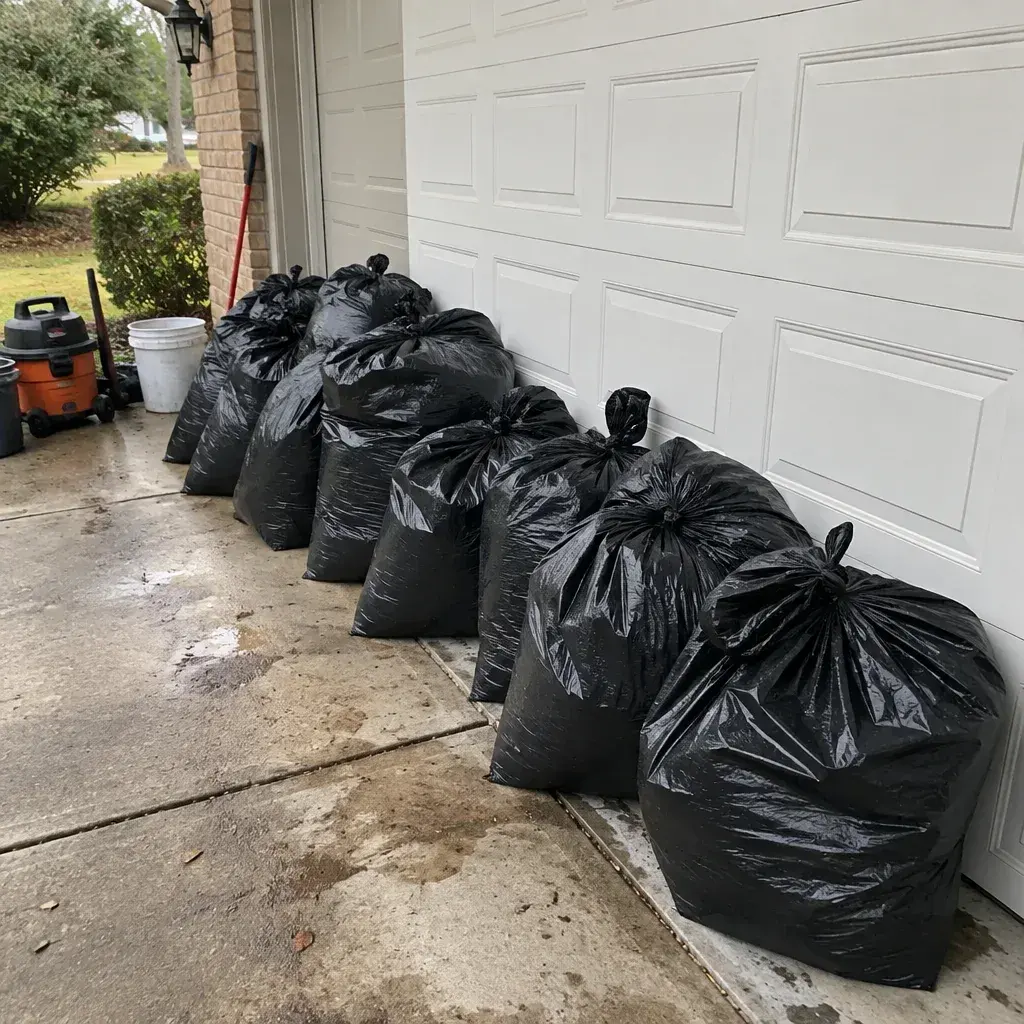
A call can clarify what to report and what the arrival estimate covers. Learn what to report, what can affect dispatch, and what to clarify while waiting.
Read article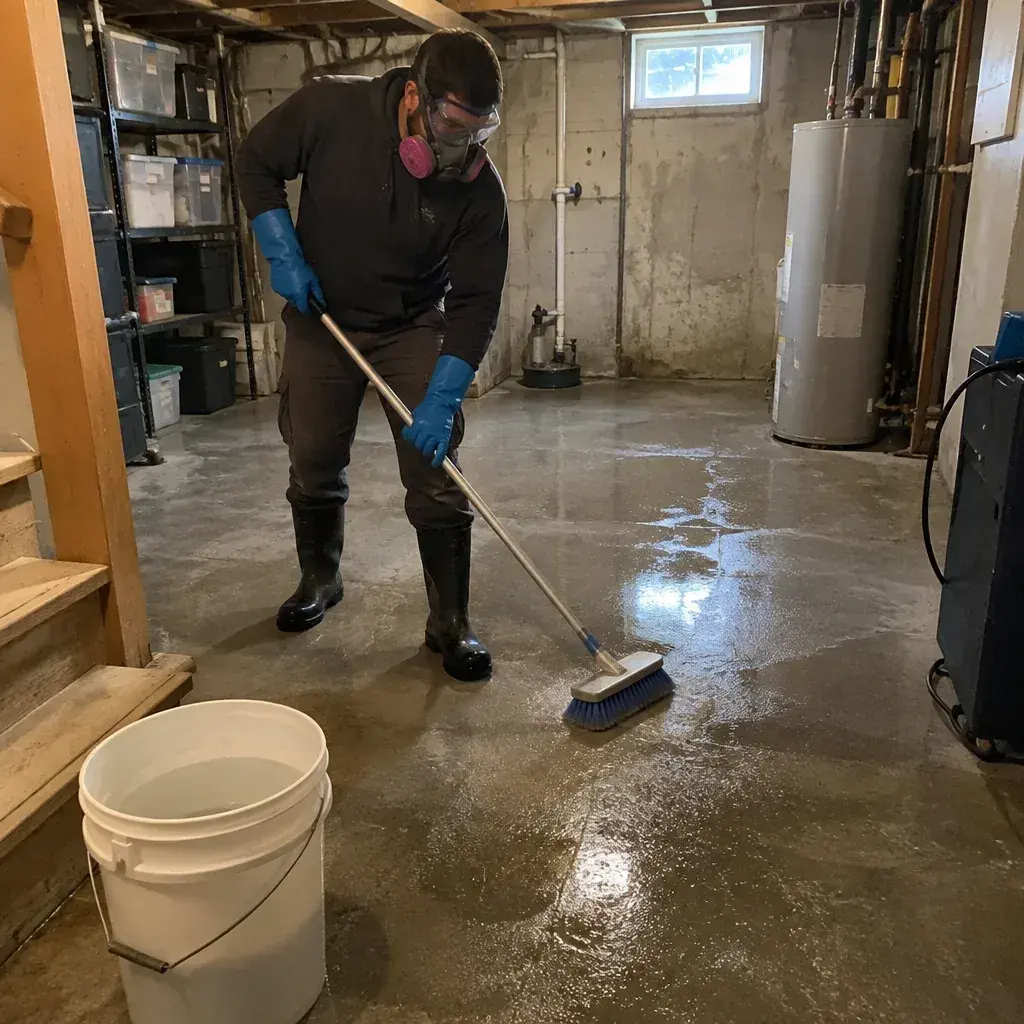
Professional sewage cleanup time depends on the work found and the drying endpoint. Learn how to ask for a stage-by-stage estimate and what findings could change the cleanup timeline.
Read articleWhen checking service near you, begin with the property address and a short account of where sewage surfaced and what it touched. Keep everyone, including pets, out of those rooms while the situation is assessed. Note whether the backup is still active, since that can affect what the assessment needs to cover. Find out how sewage will be extracted, which materials may be taken out, how remaining surfaces will be treated, and what drying involves. Clarify visit charges and request the proposed work in writing.
Call (877) 386-0069