Hotel Cleanup
Guest Area Cleanup
Plan retail sewage cleanup around separated work areas, merchandise assessment, lease duties, and records that support store operations.
Retail sewage cleanup separates the contaminated work area from shoppers and unaffected departments, then removes sewage and assesses building materials and merchandise. Suitable surfaces are cleaned and disinfected, affected materials are dried, and the store records stock decisions, access changes, and work performed.
Start by locating where sewage reached the store, then identify which sales, storage, and merchandise areas need review. A spill near a checkout may affect customer routes and nearby fixtures; a backup at receiving can involve stockroom floors or goods staged for shelving. Retail sewage cleanup begins with an assessment of the actual spread and materials, not just the visible waterline. Give the pros we connect you with a store map or a clear description so they can plan work around affected areas and store operations.
Keep customers and staff out of affected areas while the scope is assessed. Mark how people currently approach the space, including entrances, checkout points, and routes to exits, so the work boundary does not accidentally direct foot traffic through contamination. Ask how the boundary will be maintained when staff move stock or receive deliveries. Separate affected products from clean stock until their condition can be reviewed.
Assess merchandise by where it was stored and what the sewage reached. An item on a low shelf, a sealed product on a higher rack, and a carton sitting on the floor may call for different decisions; visible packaging alone may not show whether contents were exposed. Record product type, quantity, location, and observed condition. Ask the cleanup professional which goods can remain, which need removal, and how those decisions will be recorded before disposal.
Identify which affected materials may need cleaning or removal before work begins. The plan should account for worker entry, equipment movement, and the route used to take contaminated debris out, so those movements do not carry material across open sales areas. Confirm who can open the boundary and how staff will know if the work area changes. Containment helps control the path of contaminated water and debris.
Set the work window against the store’s operating needs. Tell the pros we connect you with when receiving is scheduled, which doors support deliveries, and whether any unaffected department can keep operating safely. A shift in access may affect unloading, replenishment, or customer movement even when the cleanup is confined. Ask what work can proceed while those functions continue and what conditions would require a wider closure.
| Retail obligations | Compliance checks | Applicable Terms |
|---|---|---|
| Area map | Sales departments, stockrooms, and entrances | Mark affected zones on the store plan |
| Lease allocation | Terms for access, repairs, and cleanup duties | Compare lease language with property contact guidance |
| Claim file | Notice steps and requested evidence | Check what to photograph before work proceeds |
| Stock review | Item type, location, and visible condition | Log affected goods while awaiting disposition guidance |
| Local direction | Applicable agency or utility contact | Ask which notices or clearance steps apply |
| Store operations | Closed aisles, customer routes, and receiving access | Coordinate temporary changes with store leads |
| Cleanup log | Work completed and materials handled by zone | Note the reason for each removal or cleaning decision |
| Return review | Required approvals and department conditions | Record who confirms each area is ready for use |
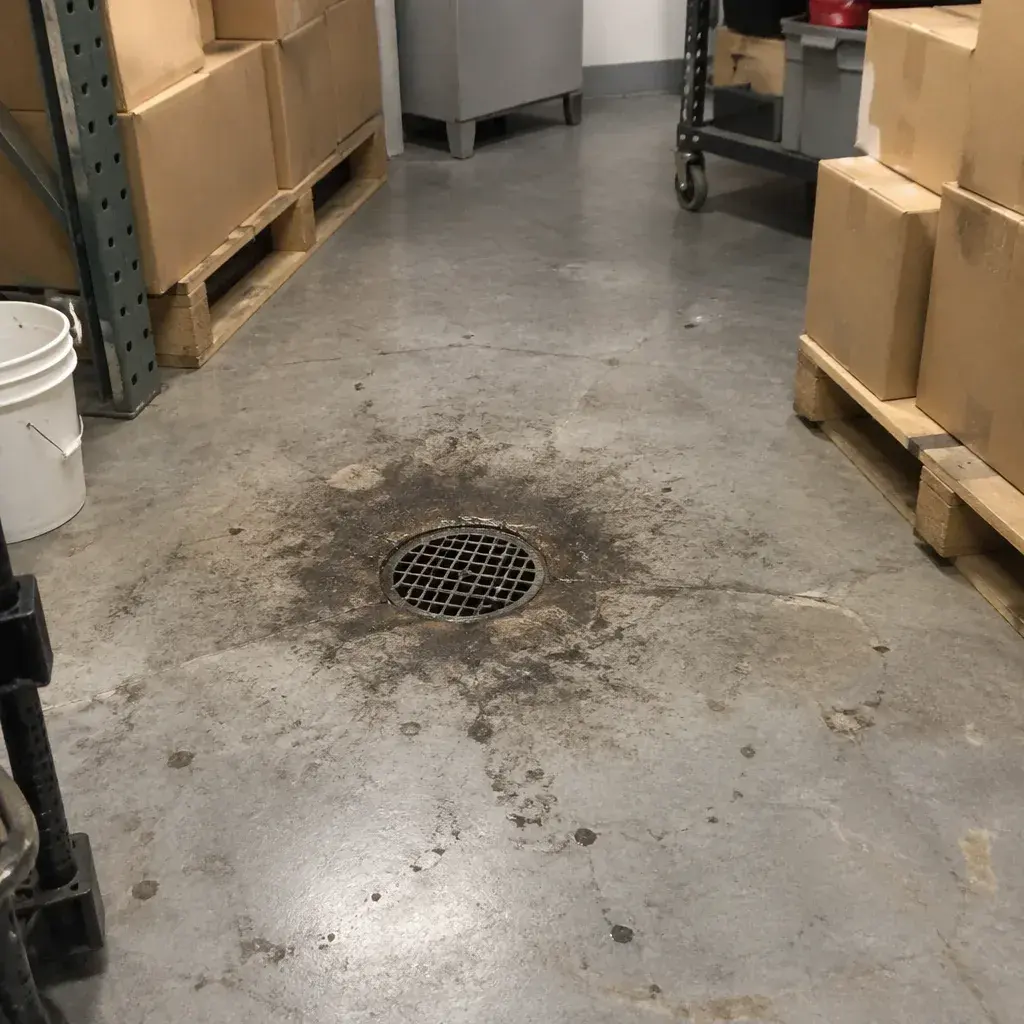
Stockroom cleanup needs attention to what shelving and stored goods conceal. Identify low shelf rows, pallet positions, equipment, and narrow aisles where sewage may have collected or where workers need room to reach affected floors and wall bases. Note goods that must be moved to access those surfaces, and agree on how their location and condition will be tracked. Porous items reached by sewage may need removal if cleaning cannot adequately address the contamination.
Keep a working timeline that links decisions to particular store areas. Record when access changed, when the assessment took place, which materials were removed, and when the planned work changed. If the store has more than one location, label each note with the site and room or department so records do not become mixed. This gives you a traceable account to share with the landlord or insurer when they ask how the response progressed.
For the sales floor, make the closure understandable from each approach without blocking routes that must stay open. Mark the affected aisles and nearby fixtures on a floor plan, and note any temporary path staff need to reach an unaffected area. If displays or shelving must move, record their original position and where they were placed. These details help operations staff maintain the boundary as the work area changes.
Before authorizing nonurgent removal or broader repairs, review the lease and ask the insurer what notice, evidence, or approval steps apply. A lease may assign reporting or maintenance duties, while policy terms determine claim requirements; neither document should be assumed to cover every decision. Check whether local health or building rules set conditions for cleanup or reopening, and ask the relevant authority when the requirement is unclear.
Keep cleanup decisions separate from decisions about the source of the store sewer backup. The cleanup professional can address sewage and affected building materials inside the store; a plumber can investigate a blockage or sewer line and make plumbing repairs. Tell the landlord and insurer what is known, what remains under investigation, and who is handling each part. That distinction helps avoid treating a cleaned area as proof that the cause has been corrected.
Build the record before affected goods or surfaces are moved when conditions allow. Take dated photographs of the impacted areas, merchandise, fixtures, and closure boundary, and label each image by department or stockroom location. Pair those images with an itemized list of affected materials and notes about what the assessment found. Photos and records of cleanup steps can support an insurance claim, but coverage depends on the policy.
Keep copies of notices, approvals, and updates exchanged with the landlord, insurer, cleanup professional, and plumber. Note who made each decision and the area it concerned, especially if a recommendation changes after materials are opened or moved. Before discarding merchandise, confirm what evidence the insurer needs and preserve identification of the goods as directed. This leaves a usable file if questions arise about the lease, claim, or work performed.
Ask for a written account of the work in the order it occurred. It should show how sewage was removed, which contaminated materials were taken out, what surfaces were cleaned and disinfected, whether odor treatment was used, and which areas required drying. Disinfectants should be applied according to their product directions, including stated contact time and safety instructions. The record should identify store areas clearly enough for you to match the work to the assessment.
Before returning an affected department or stockroom to normal use, ask what was completed and what remains unresolved. Confirm which surfaces were cleaned and disinfected, which materials were removed, and whether affected building materials have dried. Ask for the basis of the professional’s status recommendation and keep it with the store file. Reopening decisions should also account for any lease, insurer, or local requirements you have verified for that property.
Commercial sewage cleanup cost is shaped by how much of the store is affected, the materials and merchandise involved, and the work needed to restore safe access. Before scheduling, compare the lease’s notice and repair terms with the insurer’s documentation or approval requests; local requirements can also vary. Retail sewage cleanup starts with mapping sales, stockroom, and receiving areas, then recording what is affected and how decisions are made. Dedicated pages describe some covered locations. Store operations may shape which areas can be closed while cleanup is underway. The licensed pros we connect you with need clear notes about access limits and affected materials to understand the requested cleanup.
Each linked place has its own page for this service. For locations beyond those listed, requests follow the same referral path, includingHomewood AL, Anniston AL and Auburn AL. Check whether distance affects the trip charge, and ask the pros we connect you with to confirm they can reach your address.
For a commercial property, budgeting often begins with a cleanup attendance, then changes with the floor area and whether drying or follow-up visits are needed. $7,000–$14,000 offers a planning reference. One affected back room can require less work than a site with several areas needing cleanup.At a commercial site, the rooms reached, connected work areas, and affected fixtures can change which tasks are needed and how the job is priced. On your call, describe where sewage traveled, what equipment or contents were exposed, and which spaces must stay accessible; that helps shape a site-specific work list.The pricing guide explains how cleanup costs are assessed, while the commercial overview describes how the pros we connect you with coordinate commercial sewer backup cleanup.
Guest Area Cleanup
Office Cleanup Planning
Multi-Site Kitchen Scope
Start an incident record with the time discovered, the departments and storage areas involved, and who was notified. Keep dated images, a store diagram showing affected boundaries, and notes on access changes and cleanup decisions. Save communications with the landlord and insurer in the same file, while keeping any plumbing findings identifiable as a separate part of the event record. This gives managers across locations a consistent account to review.
Keep exposed merchandise in place until a cleanup professional reviews it. The assessment should account for the product, its packaging, and how sewage reached it; sealed hard goods may be handled differently from absorbent items. Record the affected categories and the decision for each, including whether an item can be treated or must be discarded. Staff should not transfer questionable stock to another department or location.
Give the cleanup professional your store hours, delivery windows, security access process, and any departments that need to keep operating. Use that information to agree on entry times, a route for equipment and removed material, and how customers will be directed around closed areas. Name a store contact who can answer access questions and relay changes to staff. Revisit the plan if the affected boundary expands.
Read the lease for notice, entry, repair, and responsibility terms, then ask the insurer what records or authorization it needs before disposal or treatment. Check with the appropriate local authority about requirements that apply to the property and its use; rules differ by jurisdiction. Keep copies of notices, responses, and decisions with the incident file. These steps clarify obligations but do not determine insurance coverage.
Mark affected departments and stock areas, gather lease and insurer requirements, then ask the cleanup professional how access and disposition decisions will be documented.
Call (877) 386-0069