Cleanup Steps
Sewer Backup Cleanup Steps for the United States
Ask how the cleanup plan will limit contact between affected and unaffected areas.
SEWER CLEANUP
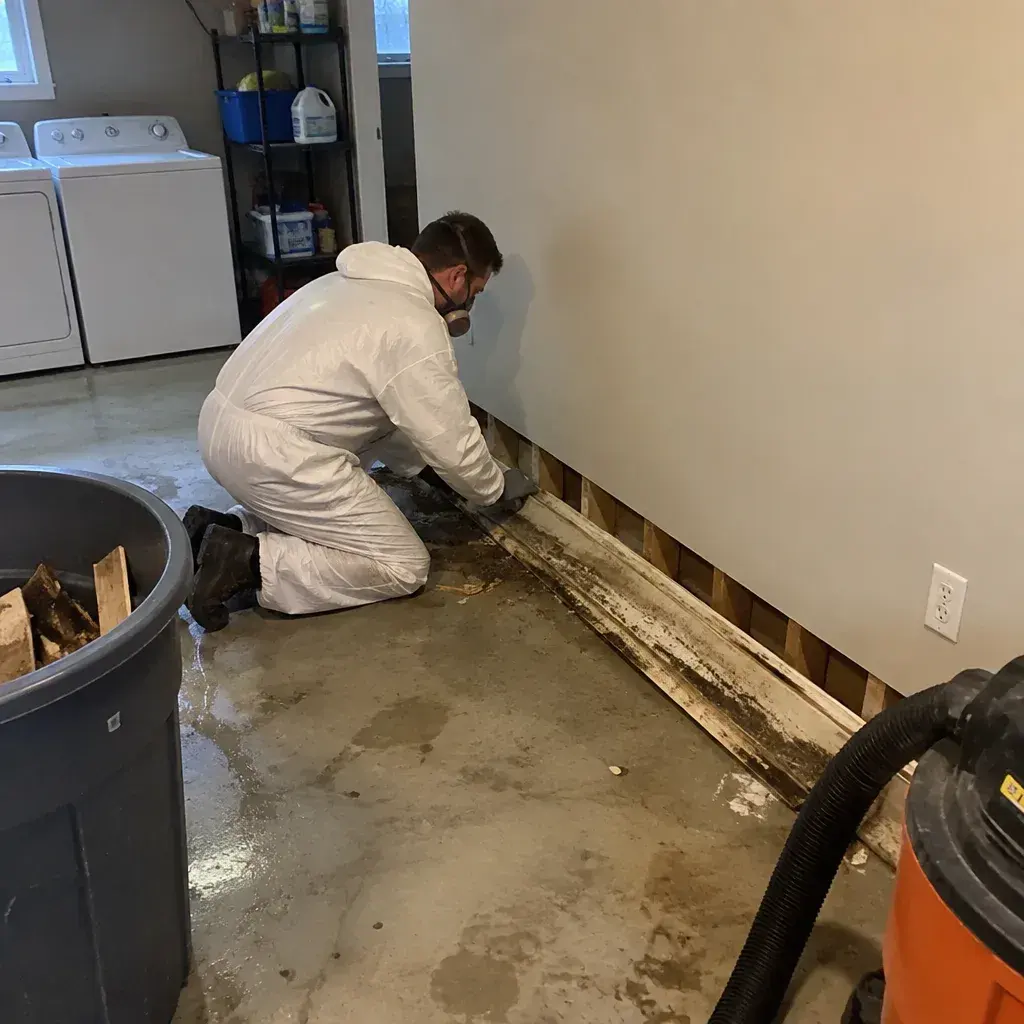
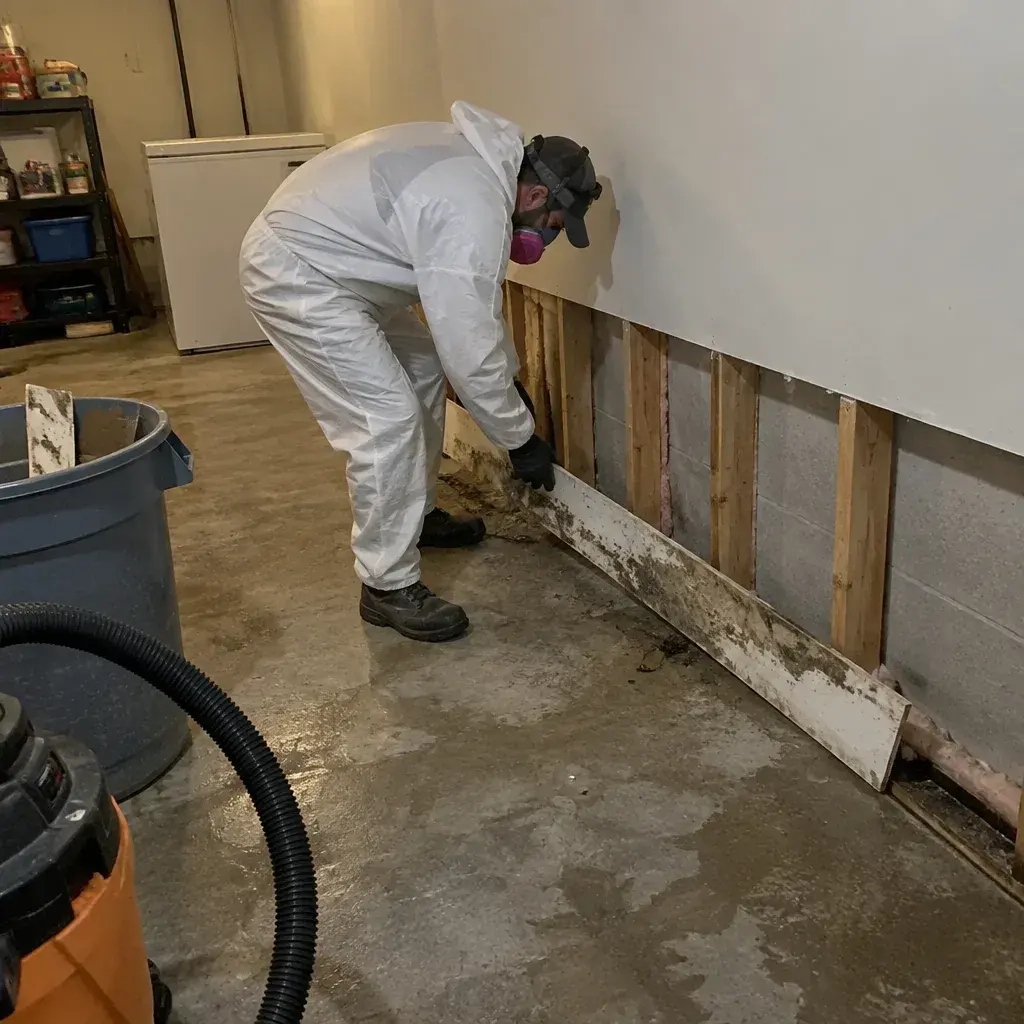
An assessment maps the rooms and materials touched by the backup. Cleanup may separate the affected space, remove wastewater and items that cannot be made clean, then wash and disinfect surfaces, treat odor, and dry the structure. Finding or fixing the sewer-line problem is a separate plumbing task.
Related pages examine the cleanup sequence, materials sewage can reach, damage that may continue while moisture remains, and the factors used to estimate restoration work for affected structures in the United States. Planning ranges for cleanup work appear in the pricing guide.
Step by Step
Each Stage of Cleanup
What People Ask
Your Questions, Answered
What does an assessment check before cleanup methods are chosen?
The assessment looks at the material, the extent of sewage exposure, and its condition. A hard surface may be suitable to retain if its finish and structure allow it to be cleaned and disinfected. If sewage has soaked in or the material has deteriorated, removal may be needed. The cleanup pros we connect you with use those findings to identify what requires removal, surface treatment, or drying.
Why are affected surfaces disinfected during cleanup?
Disinfection treats surfaces that remain in the cleanup area after sewage and residue have been removed and those surfaces cleaned. It is a separate step in the sequence: extraction and material removal address sewage and contaminated material, cleaning prepares affected surfaces, and disinfection follows before structural drying. This work concerns affected areas inside the building. Odor treatment is separate from disinfecting cleaned surfaces.
Why dry materials after the standing water is gone?
Removing visible water and cleaning surfaces do not remove all moisture held inside affected building materials. Drying addresses that moisture within the structure after sewage extraction and surface work. The cleanup scope therefore considers the affected parts of the building as well as the visible mess. Drying reduces remaining moisture; disinfection alone does not show whether materials have dried.
Find Cleanup Help
Not sure which area was affected?
Tell the pros we connect you with what sewage reached. Mention whether the backup affected finished rooms, stored items, or both.
Call (877) 386-0069