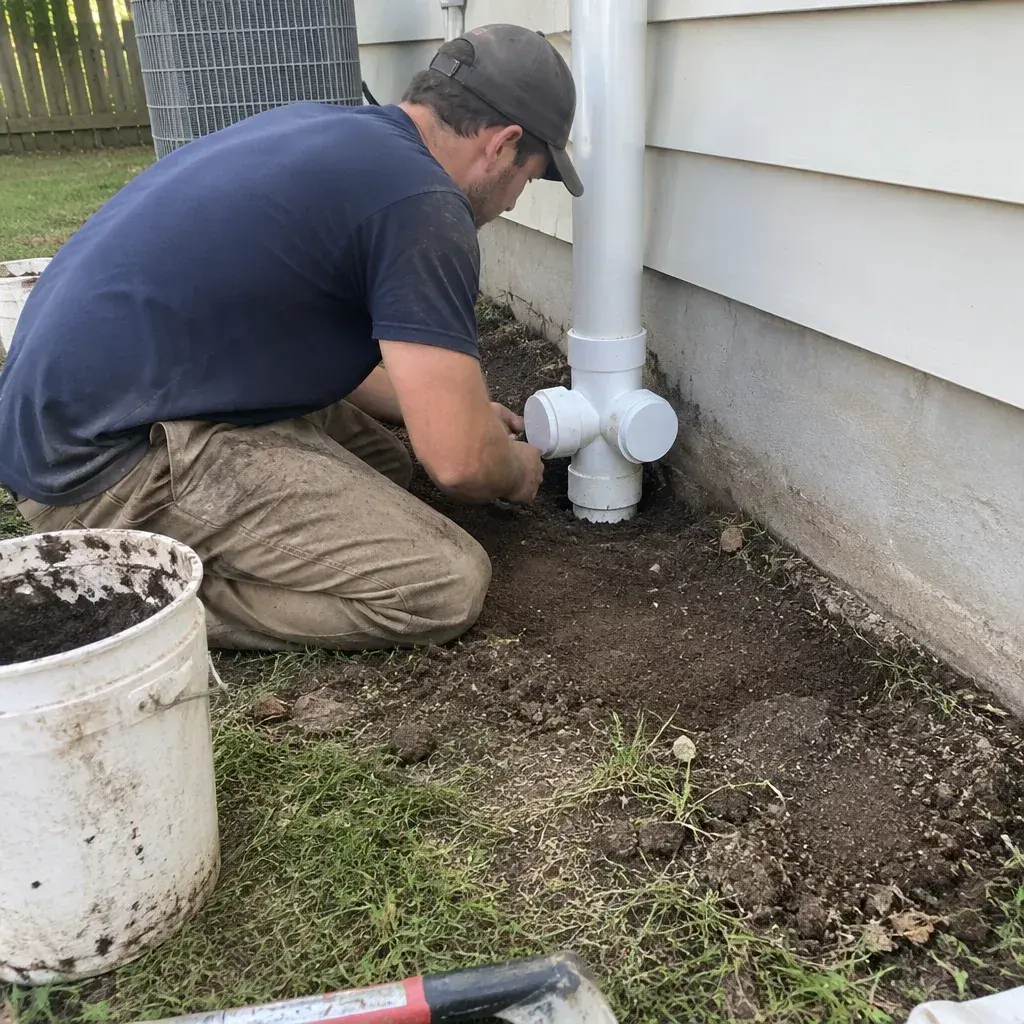
Returning Home
When can you use an area again after sewage cleanup? Equipment being gone is not, by itself, a clear signal to return.
Read article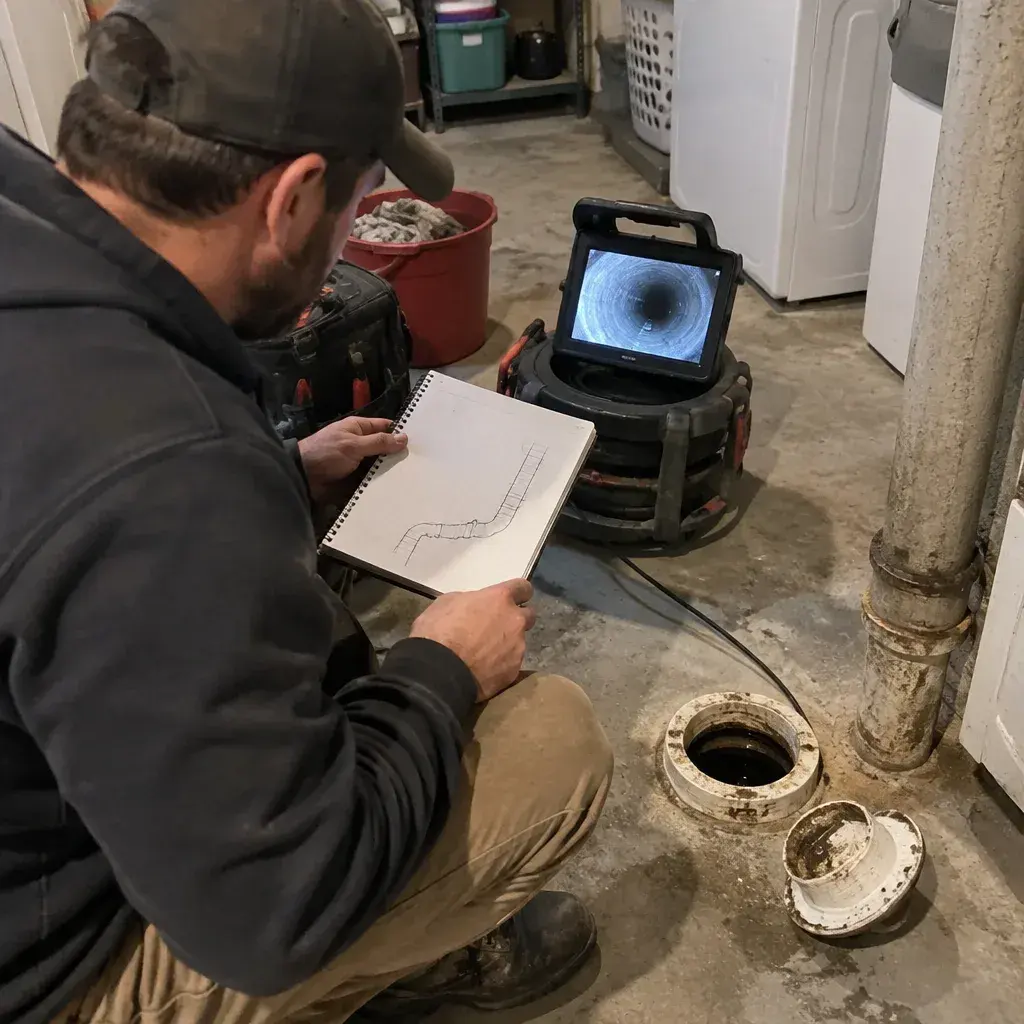
Work should begin only after the sewage source is controlled, so newly cleaned surfaces are not exposed again. Cleanup removes contaminated material, then cleans and disinfects affected surfaces; structural drying follows to reduce moisture left in the building. Some covered places have dedicated location pages. For other covered areas, the site connects you with the pros we connect you with through its referral service.
A cleanup assessment helps establish where sewage reached and what needs attention. The review can also help identify which belongings and materials may need separate handling. Absorbent materials may have to come out if contamination cannot be addressed by surface treatment alone. Removed waste should stay contained to limit contact with unaffected items during cleanup. Drying comes after those steps, so remaining moisture in building materials can be checked and addressed.
The pros we connect you with are independent licensed professionals who can help assess which porous materials may not be salvageable and explain why sanitizing a surface does not remove moisture trapped behind it. Before work begins, ask what the inspection can establish, which areas need attention, and how affected belongings will be handled. Keep notes and photos of the damage and decisions for your records and any insurance claim.
When can you use an area again after sewage cleanup? Equipment being gone is not, by itself, a clear signal to return.
Read article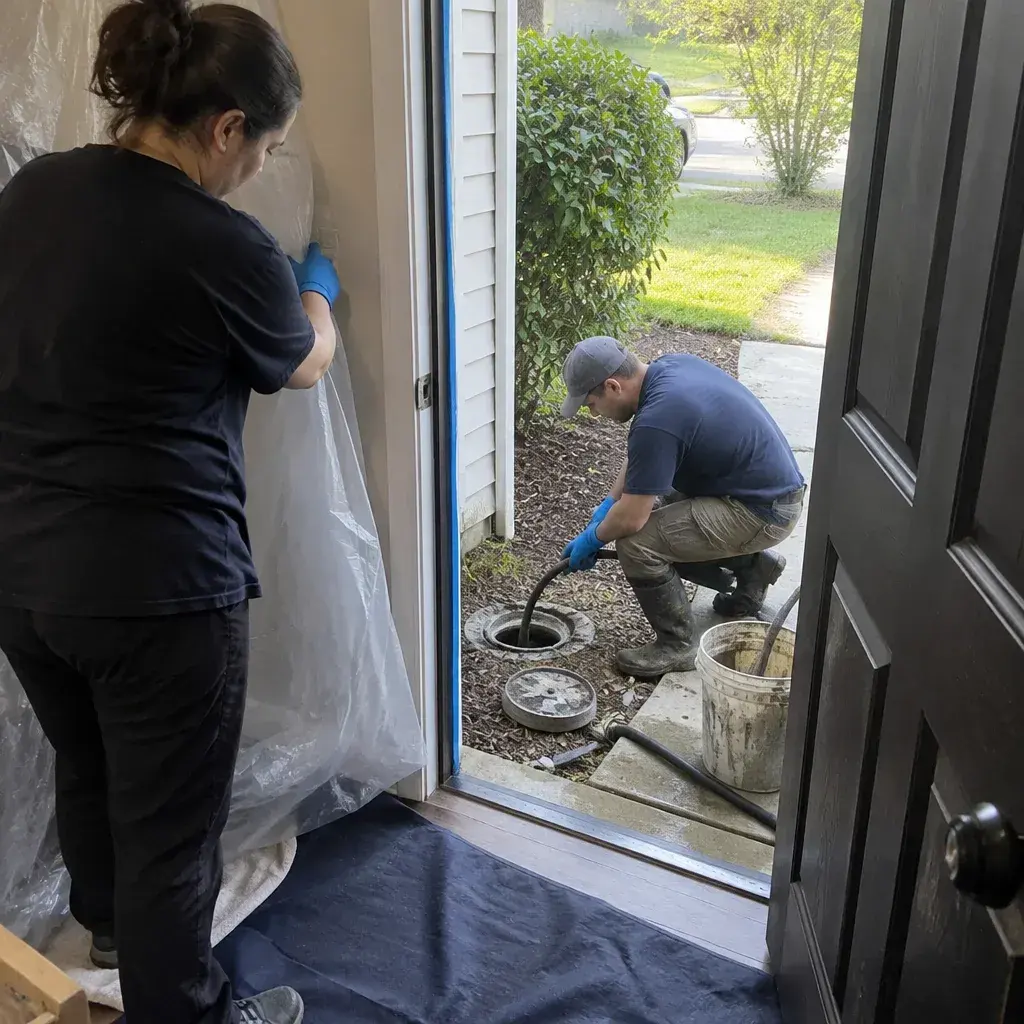
A visible cleanup area may not show every room the assessment needs to include. Learn how room separation, worker access, and household needs shape the decision.
Read article
A call can clarify what to report and what the arrival estimate covers. Learn what to report, what can affect dispatch, and what to clarify while waiting.
Read article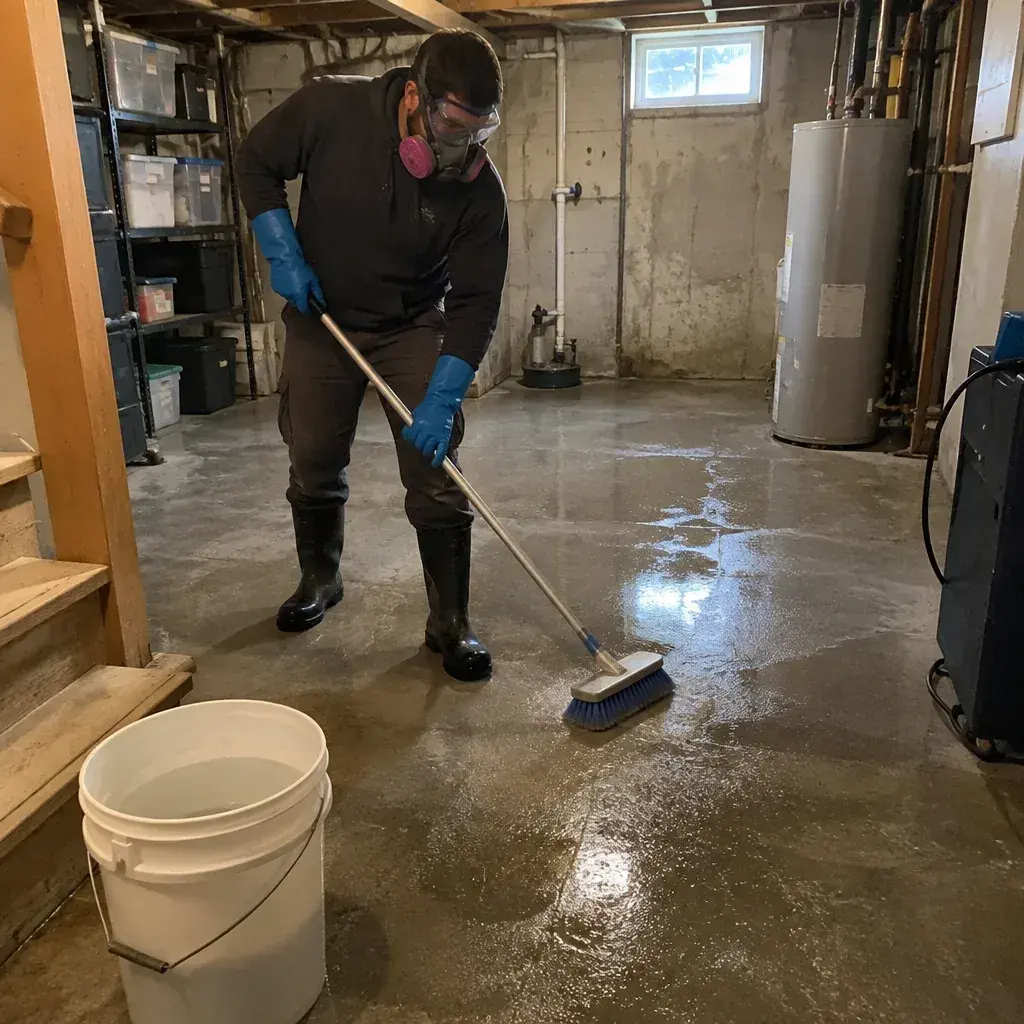
Professional sewage cleanup time depends on the work found and the drying endpoint. Learn how to ask for a stage-by-stage estimate and what findings could change the cleanup timeline.
Read articleThey also explain how to spot moisture hidden behind walls or beneath flooring, where it may not be visible. They explain how those concerns fit into cleanup inside a building and what to consider as the work moves forward. Use the guide that matches your situation; it offers general information, not an assessment of your property.
No review date is provided with this guidance, so you cannot tell from the page when it was last checked. Conditions and instructions can vary by product and situation. If you use a disinfectant during cleanup, follow its current label for safe use and contact time. Moving contaminated items can spread residue onto surfaces beyond the area affected by the backup.
Location pages are available for covered areas in Connecticut, Delaware, Colorado, Arizona, California, Arkansas, Alabama, and Florida. For property-specific cleanup questions, contact the licensed pros we connect you with. The cleanup guidance is general; it cannot establish how sewage reached your property or what conditions apply at your address. Use any location page for local context, then check address-specific details with the relevant local source.
If sewage has entered your home, identify its path before deciding what needs attention: check affected rooms, floor edges, wall surfaces, and exposed belongings from a safe distance. Changes in color, softness, or lingering dampness can help identify surfaces that need professional review. Ask the pros we connect you with how they will contain the space and extract sewage, then determine what must be removed, cleaned, disinfected, and dried. A written plan should explain how each exposed material will be handled and whether odor treatment is included.
Call (877) 386-0069