Start With Completed Cleanup
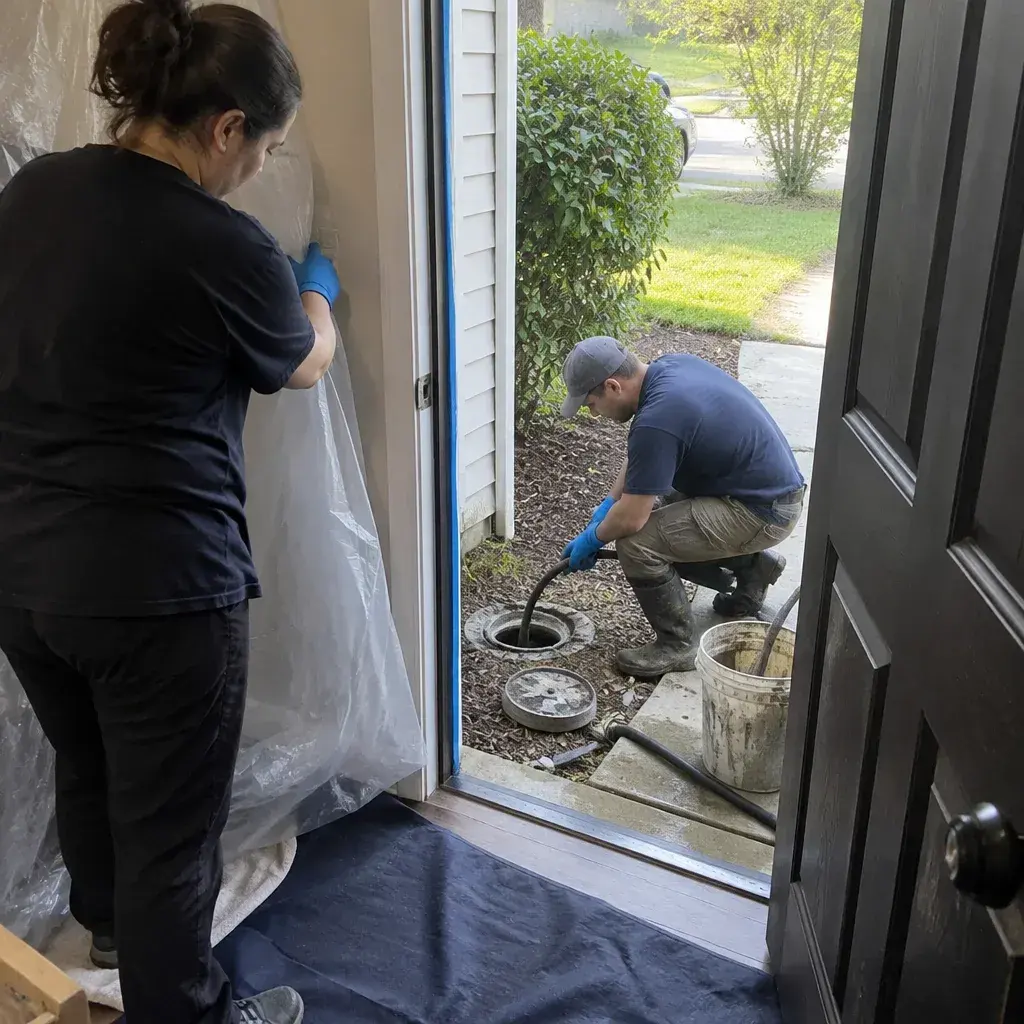
Treat return after sewage cleanup as a decision based on what happened in the affected space, not a date or a general timetable. First, ask whether sewage and contaminated materials have been removed, surfaces cleaned and disinfected, and the cleanup inspection completed. The answer should cover the full area reached, including materials or surfaces that were less visible during the work. If any cleanup task remains open, ask what it is and whether it affects the space you want to use.
Return after sewage cleanup when the provider confirms the affected work is finished and explains why the area is ready for use. Ask what was removed, cleaned, disinfected, and dried, which rooms or building materials were included, and what inspection findings support re-entry. If moisture remains in walls, floors, or other materials, ask how drying was checked and whether more work is needed. Request written notes describing completed work and any unresolved concerns. Keep photos, inspection notes, and cleanup records together so you can refer to the work completed if questions come up later.
Walk Through the Treated Areas
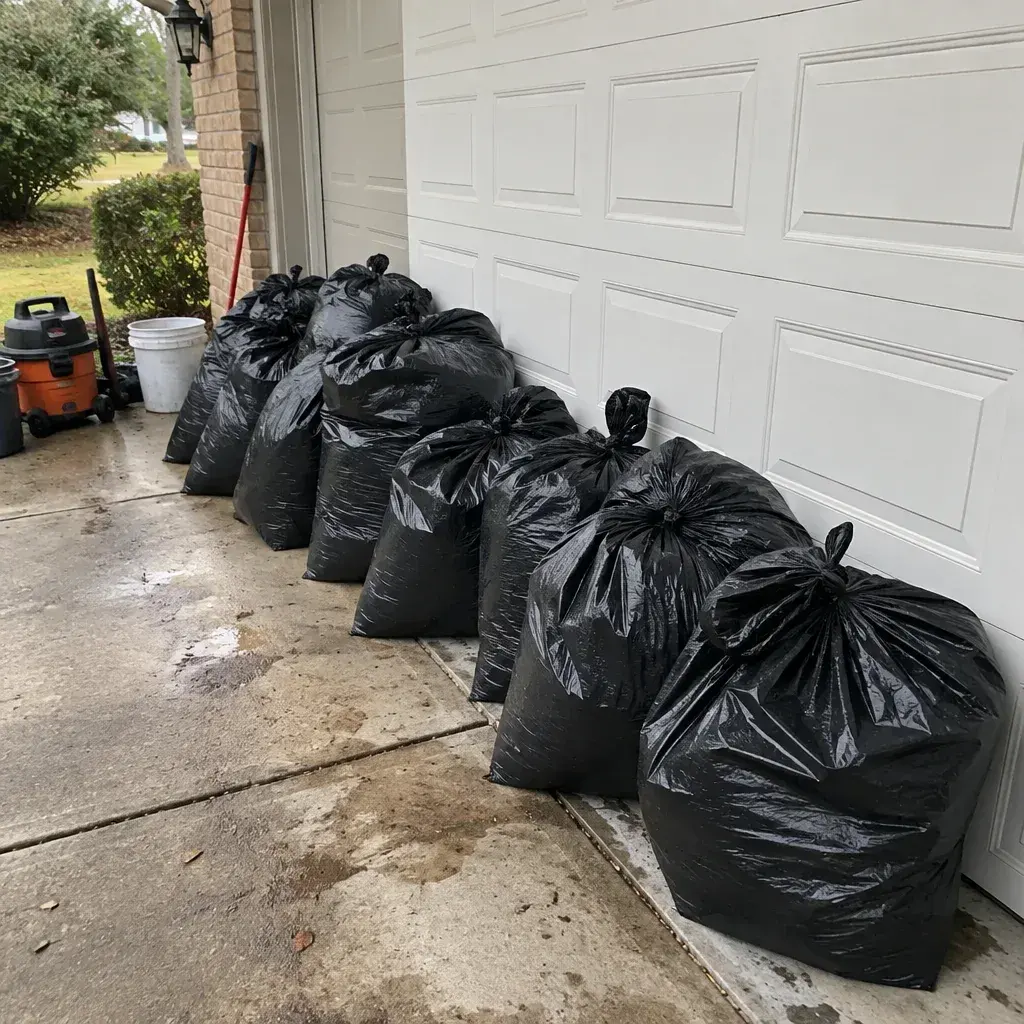
Before moving belongings back, ask for a walkthrough that follows the path sewage took through the space. Compare the provider’s explanation with your own observations, such as which floor edges, stored items, or lower cabinets were exposed. Ask which contents were cleaned, which were discarded, and whether any item still needs attention. This is a practical way to catch a missed area before furniture covers it or daily use makes a later inspection harder.
Request a written closeout that identifies the work performed and any remaining steps. A useful record can note affected locations, materials removed, cleaning and disinfection, drying observations, and follow-up assigned to someone else. Ask whether any removed belongings need separate review before you clean or discard them. If a detail is unclear, ask the provider to explain it before treating the job as complete.
Check Drying and Watch for Changes
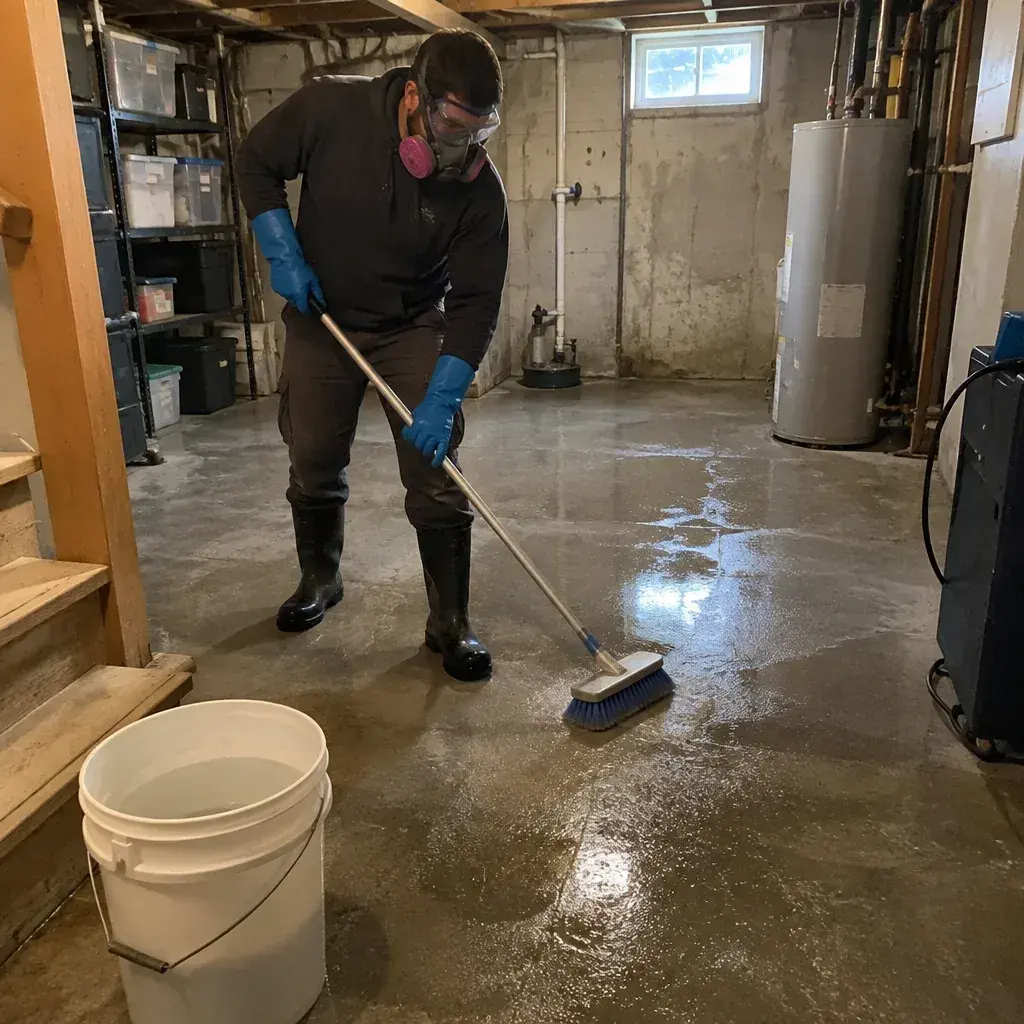
Moisture can remain inside building materials after visible sewage is gone, so ask how the provider decided drying was finished. The answer should identify which parts of the structure needed drying and what observations supported completion. A dry-looking surface does not describe what may remain behind it. If an area was still damp at the last visit, ask whether it needs more drying or another inspection before you use the room or put belongings back.
Pay attention to changes after reentry, including fresh dampness or a new odor in a treated location. Note where and when you notice it, then contact the provider to review that specific spot. Find out whether removed belongings need separate cleaning or disposal before bringing them back. Do not cover a questionable area with flooring, stored items, or furniture before you have an answer.
Clarify Where You Can Return
A provider may find that one part of a property is ready while another still needs work. Ask for a clear description of the areas approved for normal use and any boundary you should continue to respect. This can matter when cleanup affected connected rooms, a hallway, or a lower level: the path between spaces may have been treated differently from the rooms themselves. Use the provider’s findings to decide where you can return, rather than assuming the whole property is ready at once.
The site has pages for some places; in other covered locations, the pros we connect you with are reached through the same referral. Wherever you are, ask what work is complete, which areas were addressed, and what inspection or drying findings support reentry. If the explanation leaves a gap, ask what still needs attention and who will handle it. Which part of the space is ready for ordinary use, and what would prompt you to request another review?
Dealing with a sewer backup in your home?
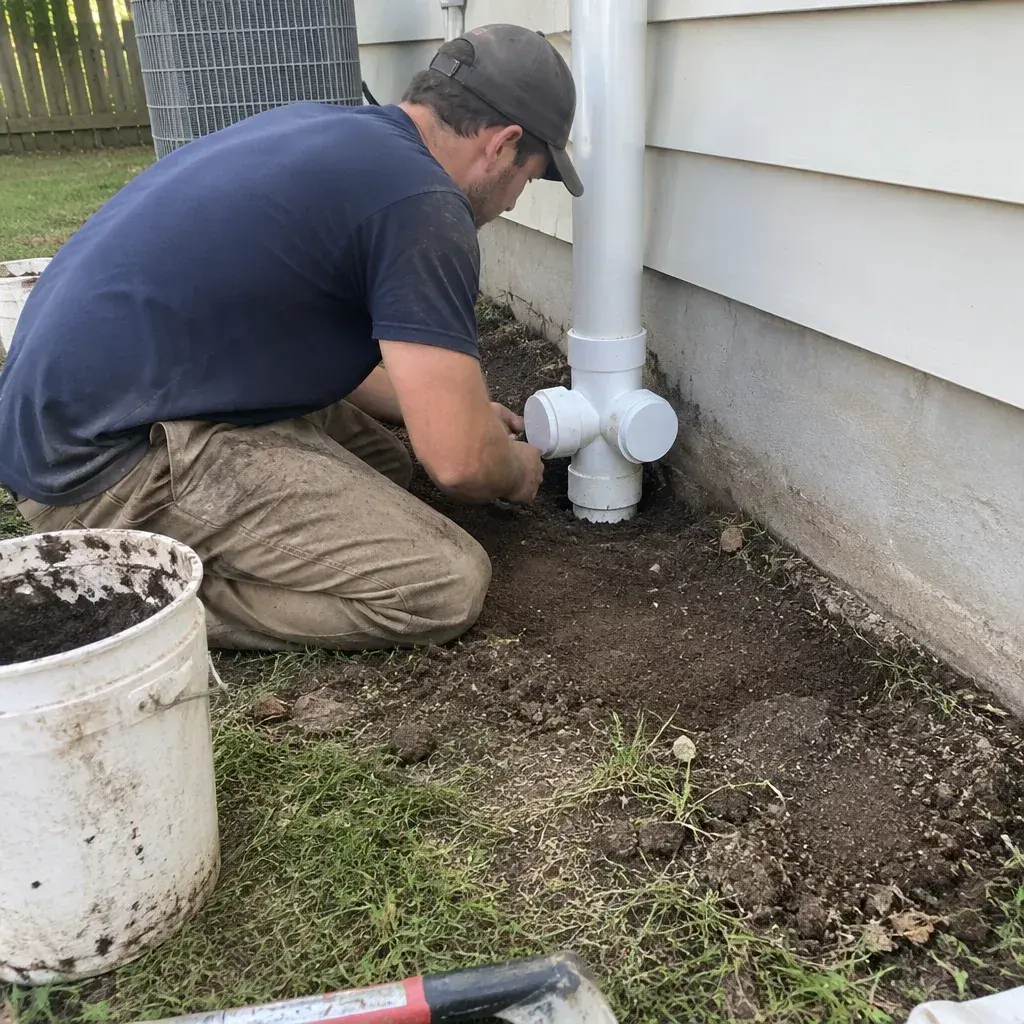
Check where the water surfaced and whether it reached flooring edges or wall bases; the affected boundary helps a provider assess which materials need attention. This site has dedicated pages for Florida, Delaware, California, Arizona, Alabama, Connecticut, Arkansas, and Colorado. In other covered areas, requests use the site’s referral route. Call (877) 386-0069 to ask which pros we connect you with can assess your location, when they are available, and whether a visit charge applies. A cleanup provider can outline the indoor work; a plumber should diagnose and repair the sewer source.